
When someone is diagnosed with type 2 diabetes, the first advice they hear is: “Change your lifestyle.” But what does that actually mean?
You don’t have to turn your life upside down. You need consistent, realistic lifestyle changes that you can follow for years. In fact, for many people, lifestyle changes delay or even prevent the need for stronger medicines – and they always support better blood sugar control.
This blog will explore the most powerful lifestyle changes for diabetes management.
1. Move More: Exercise as a Natural Diabetes Medicine
Regular physical activity makes your cells more sensitive to insulin and helps lower blood sugar levels.
Target:
- 150 minutes of moderate exercise per week
(e.g., 30 minutes a day, 5 days a week)
Good options:
- Brisk walking
- Cycling
- Light jogging (if your doctor approves)
- Home workouts, simple aerobics
- For older adults: walking + safe chair exercises
If you’re new to exercise:
- Start with 10–15 minutes a day
- Slowly increase duration
- Check with your diabetes doctor before starting intense workouts
SEO phrases to weave in: “best exercises for diabetes”, “walking for diabetes control”, “how to reduce blood sugar naturally”.
2. Build Muscle: Strength Training for Better Control
Many people think only cardio matters. But strength training is a game-changer.
Why?
- More muscle = better use of glucose = improved insulin sensitivity
- Reduces belly fat, which is strongly linked to type 2 diabetes
Simple options:
- Light dumbbells or resistance bands
- Bodyweight exercises: wall push-ups, squats, step-ups
- 2–3 days a week is enough to start
3. Sleep: The Silent Factor in Blood Sugar Fluctuations
Poor sleep makes it harder to control diabetes.
People who sleep less than 6 hours regularly often experience:
- Higher fasting blood sugars
- Increased cravings for junk food
- More fatigue, less motivation to exercise
Tips:
- Aim for 7–8 hours of quality sleep
- Maintain a fixed sleep and wake time
- Avoid heavy meals and screens right before bed
You can target keywords like “sleep and blood sugar”, “how sleep affects diabetes”.
4. Stress Management: Your Mind Affects Your Sugar
Stress hormones like cortisol can push blood sugar up, even when you eat correctly.
Common sources of stress:
- Work pressure
- Financial concerns
- Family responsibilities
- Worry about complications of diabetes
Simple stress-relief tools:
- Deep breathing for 5–10 minutes
- Short walks without your phone
- Listening to music
- Prayer or meditation
- Talking to a friend or counsellor
5. Weight Management: Even Small Losses Matter
If you are overweight, losing just 5–7% of your body weight can significantly improve type 2 diabetes control.
Example:
If you weigh 80 kg, even losing 4–5 kg can help:
- Improve HbA1c
- Reduce blood pressure and cholesterol
- Lower the risk of complications
At MV Diabetes, doctors, dietitians, and diabetes educators work together to create weight loss plans for diabetes that are safe and realistic.
6. Quit Smoking and Limit Alcohol
Smoking increases the risk of:
- Heart attack
- Stroke
- Poor blood circulation
- Foot problems in people with diabetes
Alcohol can:
- Disturb blood sugar levels
- Add extra calories
- Interact with diabetes medicines
If quitting is difficult, seek professional help. Use keyword phrases like “smoking and diabetes risk”, “alcohol and diabetes control”.
7. Routine Monitoring and Regular Check-Ups
Lifestyle change is not just about movement, food, and sleep. It’s also about awareness.
Make it a habit to:
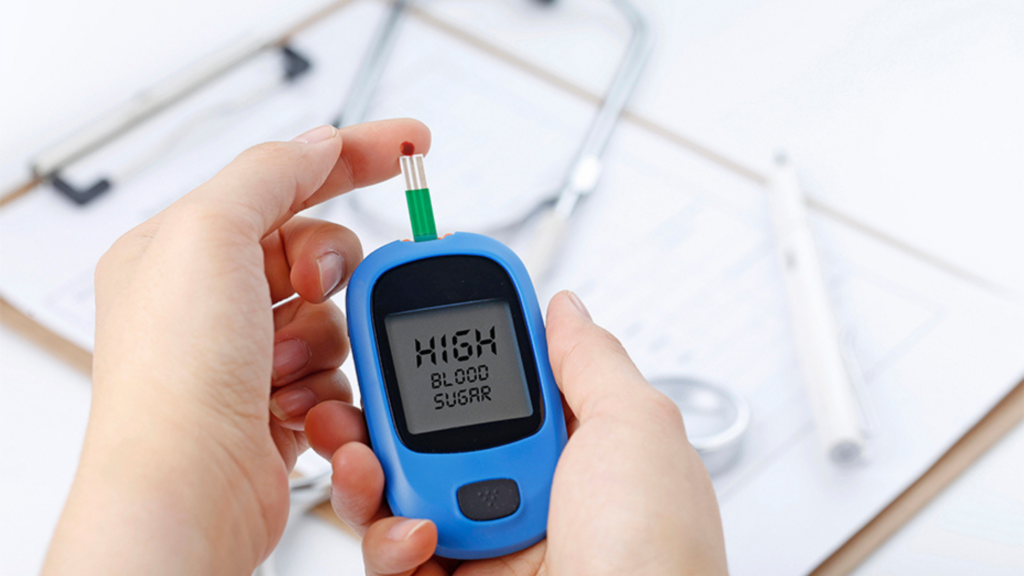
- Check your fasting and post-meal blood sugar as advised
- Track your HbA1c every 3–6 months
- Get eyes, kidneys, heart, feet checked regularly
This not only keeps you safe but also helps your doctor adjust your diabetes treatment plan.