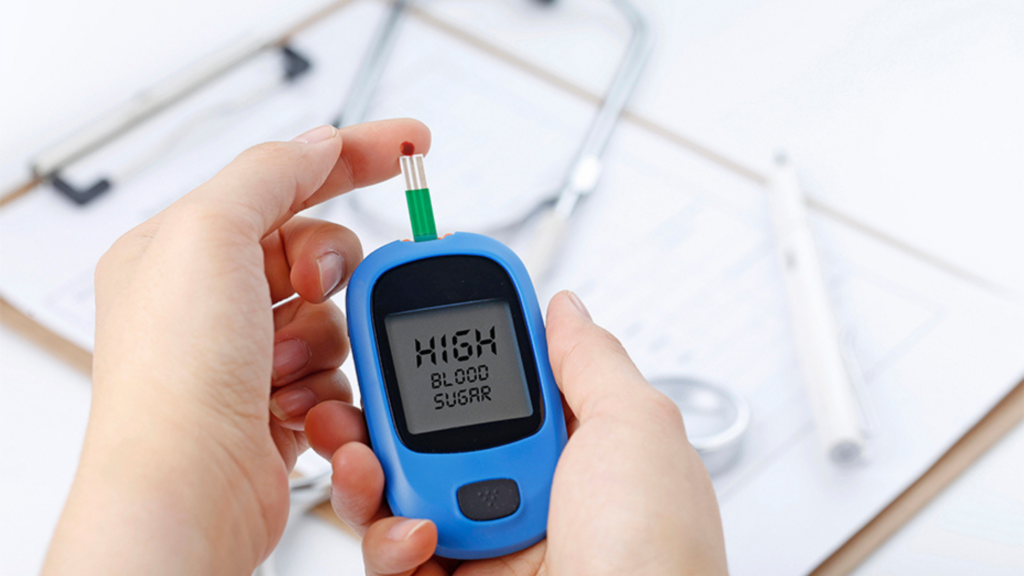

Diabetes care has changed dramatically over the last few decades. From basic tablets and injections, we have moved into an era of smart devices, newer medications, and personalised treatment plans.
If you or your family member is living with type 1 or type 2 diabetes, understanding these new diabetes treatments can help you ask better questions and get better care.
1. Newer Diabetes Medications: Beyond Just Sugar Control
Today, many modern diabetes medicines not only lower blood sugar but also protect your:
- Heart
- Kidneys
- Weight
- Overall long-term health
Some commonly used newer classes (your doctor will decide what suits you):
- DPP-4 inhibitors
- SGLT2 inhibitors – some also protect kidneys and heart
- GLP-1 receptor agonists – can help with weight loss and heart protection
- Newer insulin analogues – smoother action, fewer lows
These keywords – “latest diabetes tablets”, “new insulin types”, “best treatment for type 2 diabetes” – also perform well in search.
2. Insulin Advancements: Safer and Smarter
Modern basal-bolus insulin regimens, insulin pens, and insulin analogues have:
- More predictable action
- Lower risk of hypoglycemia (low sugar)
- Greater flexibility with meals and lifestyle
For some patients, insulin pumps and continuous subcutaneous insulin infusion (CSII) can offer even more precise control, especially in type 1 diabetes.
3. Technology in Diabetes: From Finger Pricks to Sensors
The rise of diabetes technology has transformed daily management:
- Continuous Glucose Monitoring (CGM): Small sensors measure sugar levels every few minutes and show trends.
- Flash Glucose Monitoring: Scan a sensor to see your current glucose and patterns.
- Smartphone apps that sync data and generate easy-to-understand reports.
These tools help your diabetologist see when your sugar goes high or low and adjust insulin and diet more precisely.
4. Precision and Personalised Diabetes Care
Not every patient is the same. The best diabetes treatment plan considers:
- Age
- Type of diabetes
- Weight and lifestyle
- Other health conditions (heart disease, kidney issues, etc.)
- Risk of hypoglycemia
- Patient preferences
At MV Diabetes, doctors use detailed investigations, regular follow-ups, and modern tools to provide personalised diabetes care for each individual, not just “one-size-fits-all” prescriptions.
5. Focus on Preventing Complications, Not Just Treating Them
Modern diabetes care is shifting from reactive (treating complications after they occur) to proactive (preventing them as much as possible).
This includes:
- Early screening for diabetic retinopathy (eye damage)
- Regular urine and blood tests for diabetic kidney disease
- Foot examinations for diabetic neuropathy and ulcers
- Heart risk assessment and cholesterol control
Search terms like “how to prevent diabetes complications”, “diabetic eye check-up”, “foot care for diabetes” are commonly used by patients.
6. Education as Treatment
One of the biggest advancements in diabetes management isn’t a machine or a tablet – it’s structured diabetes education.
When patients learn:
- How food affects sugar
- How to adjust activity levels
- When to check sugar
- How to recognise and treat lows
…their outcomes improve dramatically.
That’s why centres like MV Diabetes invest heavily in diabetes educators, dietitians, and counsellors.