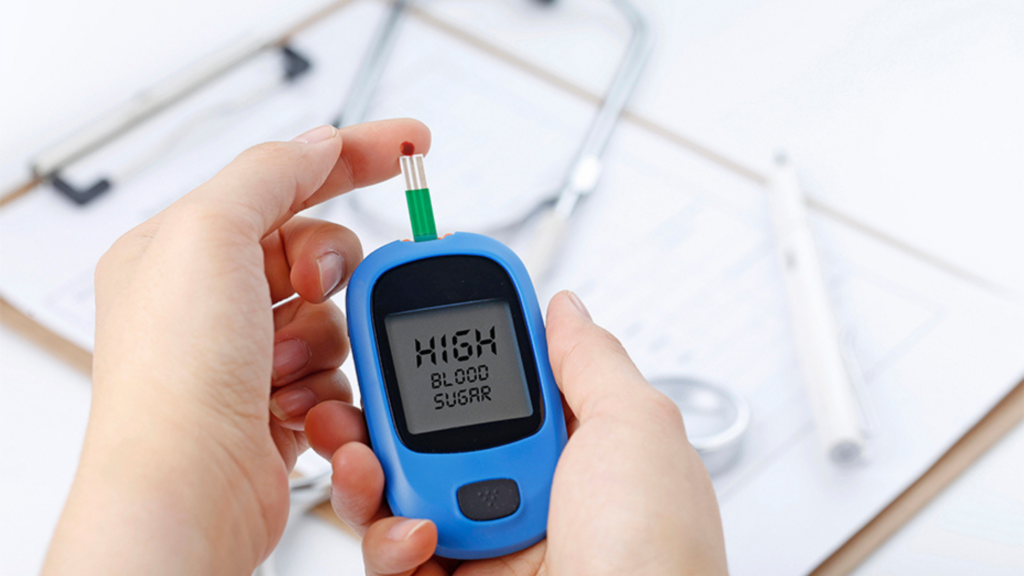
Diabetes is no longer a condition that appears suddenly. In most cases, the body shows early warning signs long before blood sugar levels become dangerously high. Unfortunately, many people ignore these symptoms or mistake them for everyday fatigue or stress.
Understanding the early signs of diabetes can help you take timely action, prevent complications, and maintain long-term health.
What Is Diabetes?
Diabetes is a chronic condition where the body either:
- Does not produce enough insulin, or
- Cannot effectively use insulin
This leads to high blood sugar levels, which can damage vital organs over time.
Early Signs of Diabetes You Should Watch For
1. Frequent Urination
One of the most common early symptoms of diabetes is urinating more often, especially at night. Excess sugar in the blood forces the kidneys to work harder to remove it, leading to frequent bathroom trips.
2. Excessive Thirst
Frequent urination causes dehydration, which leads to constant thirst. Drinking more water but still feeling thirsty can be an early red flag.
3. Unexplained Weight Loss
If your body can’t use glucose properly, it starts burning fat and muscle for energy. This can cause sudden weight loss, even when your diet hasn’t changed.
4. Constant Fatigue
High blood sugar prevents glucose from entering cells, leaving your body without enough energy. Persistent tiredness despite adequate sleep may signal rising sugar levels.
5. Increased Hunger
Feeling hungry soon after eating can indicate insulin resistance. Your body isn’t able to use glucose efficiently, so it keeps signaling hunger.
6. Blurred Vision
High blood sugar can cause fluid shifts in the eyes, leading to temporary blurred vision. If untreated, this can progress to long-term eye damage.
7. Slow Healing of Wounds
Cuts, infections, or bruises that take longer to heal may indicate poor blood circulation caused by diabetes.
8. Tingling or Numbness
Nerve damage (diabetic neuropathy) often begins with tingling or numbness in the hands and feet.
Who Is at Higher Risk?
You may be at higher risk if you:
- Have a family history of diabetes
- Are overweight or physically inactive
- Have high blood pressure or cholesterol
- Are over 35 years of age
- Had gestational diabetes
When Should You Get Tested?
If you notice two or more symptoms, it’s important to undergo:
- Fasting Blood Sugar Test
- HbA1c Test
- Post-meal Blood Sugar Test
Early diagnosis can prevent complications affecting the heart, kidneys, eyes, and nerves.
Why Early Detection Matters
Detecting diabetes early allows:
- Better sugar control
- Lifestyle-based reversal (in early stages)
- Reduced dependency on medications
- Prevention of long-term complications
Take Action Early
Ignoring early signs can lead to irreversible damage. A simple blood test and expert guidance can make a life-changing difference.
MV Diabetes focuses on early detection, personalised treatment plans, and long-term diabetic care tailored to Indian lifestyles.