
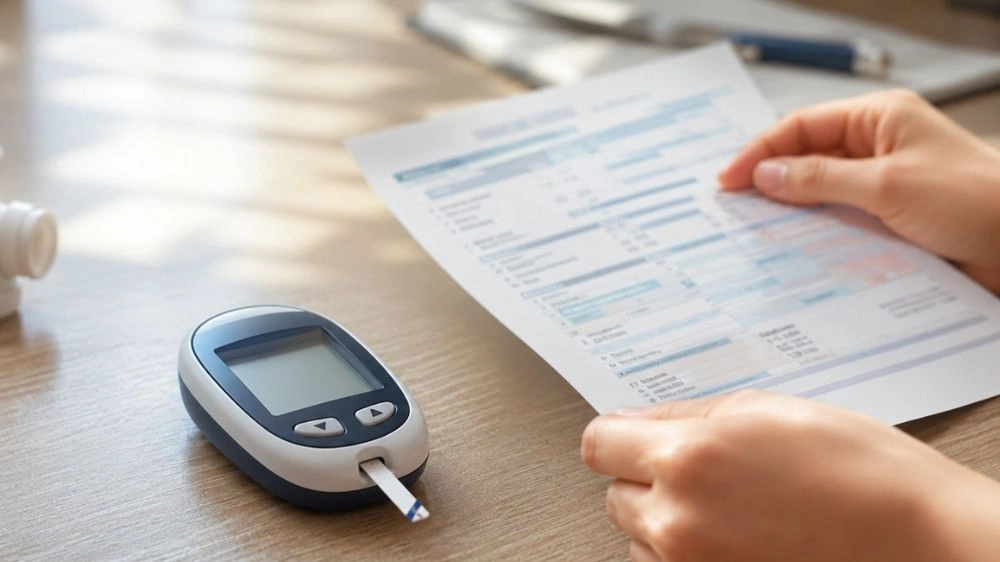
Diabetes doesn’t develop overnight. For most people, it begins with a silent condition called prediabetes—a stage where blood sugar levels are higher than normal but not yet high enough to be diagnosed as Type 2 diabetes. Unfortunately, because prediabetes often has no obvious symptoms, many people remain unaware of it until complications begin to develop.
According to global health estimates, millions of adults are living with prediabetes, and a large percentage of them don’t even know it. The encouraging news is that prediabetes is reversible. With timely diagnosis and appropriate lifestyle changes, it is possible to delay or even prevent the progression to Type 2 diabetes.
Understanding the prediabetes symptoms, identifying the risk factors, and seeking early medical advice are the first steps towards protecting your long-term health.
What Is Prediabetes?
Prediabetes is a condition where the body’s blood glucose levels are elevated but remain below the threshold for Type 2 diabetes.
This usually occurs because the body’s cells become less responsive to insulin—a condition known as insulin resistance. In response, the pancreas produces more insulin to maintain normal blood sugar levels. Over time, however, the pancreas struggles to keep up, causing blood glucose levels to rise further.
Without proper intervention, prediabetes can gradually progress to Type 2 diabetes, increasing the risk of heart disease, stroke, kidney disease, nerve damage, and vision problems.
The good news is that early detection provides an opportunity to reverse the condition before permanent complications occur.
Prediabetes vs Diabetes: What’s the Difference?
Many people confuse prediabetes with diabetes, but they are not the same.
Prediabetes is a warning stage where blood sugar levels are elevated but not high enough to meet the diagnostic criteria for diabetes.
Type 2 Diabetes develops when blood sugar remains consistently high due to significant insulin resistance or reduced insulin production.
The key difference is that prediabetes is often reversible through lifestyle modifications, whereas diabetes usually requires long-term management.
Early Signs of Prediabetes
One of the biggest challenges is that early signs of diabetes may be subtle or absent during the prediabetes stage.
However, some individuals may notice:
Increased Thirst
Feeling thirsty more often than usual despite adequate water intake.
Frequent Urination
High blood sugar causes the kidneys to work harder, resulting in increased urination.
Unexplained Fatigue
Persistent tiredness may occur because glucose cannot effectively enter the body’s cells for energy.
Increased Hunger
Even after meals, some people continue feeling hungry due to inefficient glucose utilization.
Blurred Vision
Temporary fluctuations in blood sugar may affect the eye’s lens, causing blurred vision.
Slow Healing
Cuts, wounds, or minor infections may take longer to heal than usual.
Darkened Skin Patches
Dark, velvety skin around the neck, underarms, or groin (Acanthosis Nigricans) is often associated with insulin resistance.
Although these prediabetes symptoms may appear mild, they should never be ignored.
Who Is at Risk of Prediabetes?
Anyone can develop prediabetes, but certain factors increase the likelihood. Common diabetes risk factors include:
- Being overweight or obese
- Lack of physical activity
- Age above 35 years
- Family history of Type 2 diabetes
- High blood pressure
- High cholesterol or triglycerides
- History of gestational diabetes
- Polycystic Ovary Syndrome (PCOS)
- Poor dietary habits
- Smoking
- Chronic stress
- Chronic stress
Individuals with multiple risk factors should undergo regular blood sugar screening.
How Is Prediabetes Diagnosed?
Prediabetes is usually identified through simple blood tests. Your doctor may recommend:
Fasting Blood Sugar (FBS)
Measures blood glucose after fasting for at least eight hours.
HbA1c Test
Reflects average blood sugar levels over the previous two to three months.
Oral Glucose Tolerance Test (OGTT)
Evaluates how efficiently the body processes glucose after consuming a glucose-rich drink.
Routine screening is especially important for individuals with risk factors, even if they feel healthy.
Why Early Diagnosis Matters
Many people believe that prediabetes is harmless because it isn’t “full diabetes.” However, even mildly elevated blood sugar can begin damaging blood vessels and nerves over time.
Without intervention, prediabetes significantly increases the likelihood of developing:
- Type 2 diabetes
- Heart disease
- Stroke
- Fatty liver disease
- Kidney disease
- Vision problems
- Nerve damage
The earlier prediabetes is identified, the greater the chance of preventing these complications.
Can Prediabetes Be Reversed?
Yes.
One of the most encouraging aspects of prediabetes is that it can often be reversed through healthy lifestyle changes.
Unlike many chronic conditions, prediabetes does not always require medication. In many cases, consistent improvements in diet, exercise, weight management, and overall lifestyle can restore blood sugar levels to the normal range.
This makes diabetes prevention both practical and achievable for many individuals.
Lifestyle Changes That Help Prevent Diabetes
Maintain a Healthy Weight
Even losing 5–10% of body weight can significantly improve insulin sensitivity and reduce the risk of developing Type 2 diabetes.
Exercise Regularly
Aim for at least 150 minutes of moderate physical activity each week.
Walking, cycling, swimming, yoga, and strength training all contribute to better blood sugar control.
Eat a Balanced Diet
Focus on:
- Whole grains
- Fresh vegetables
- Fruits in moderation
- Lean protein
- Healthy fats
- High-fiber foods
Limit sugary beverages, processed foods, refined carbohydrates, and excessive fried foods.
Get Quality Sleep
Poor sleep affects hormone regulation and insulin sensitivity.
Most adults should aim for 7–8 hours of quality sleep each night.
Manage Stress
Chronic stress can increase blood sugar levels through hormonal changes.
Meditation, breathing exercises, hobbies, and regular physical activity can help manage stress effectively.
Avoid Smoking and Excessive Alcohol
Smoking increases insulin resistance, while excessive alcohol can negatively affect blood sugar regulation.
Quitting smoking and consuming alcohol responsibly contribute to overall metabolic health.
Does Prediabetes Always Require Medication?
Not necessarily.
Many individuals successfully manage prediabetes through lifestyle modifications alone.
However, in certain high-risk patients—such as those with obesity, very high blood sugar levels, or multiple risk factors—doctors may recommend medications alongside lifestyle changes.
Treatment should always be individualized based on medical evaluation.
Why Regular Health Check-ups Are Essential
Since prediabetes often develops silently, routine health screenings play a vital role in early detection.
Regular check-ups help:
- Identify rising blood sugar levels
- Monitor HbA1c trends
- Evaluate diabetes risk
- Prevent future complications
- Track progress after lifestyle changes
Preventive healthcare is always more effective than treating advanced disease.
Frequently Asked Questions
Can prediabetes be cured?
Prediabetes can often be reversed through lifestyle modifications if detected early.
How long does it take for prediabetes to become diabetes?
It varies. Without intervention, progression may occur over several years, but timely changes can delay or prevent it.
Is prediabetes hereditary?
Family history increases the risk, but healthy lifestyle habits significantly reduce the chances of progression.
Can exercise reverse prediabetes?
Yes. Regular exercise improves insulin sensitivity and helps lower blood sugar levels.
Do all people with prediabetes develop diabetes?
No. Many individuals return to normal blood sugar levels through appropriate lifestyle changes.
What foods should be avoided?
Limit sugary drinks, sweets, refined flour products, processed snacks, and foods high in saturated fats.
How often should blood sugar be checked?
People with prediabetes should follow their doctor’s advice, but periodic monitoring is recommended to assess progress.
Conclusion
Prediabetes is not a diagnosis to fear—it’s an opportunity to act. Detecting the condition early gives you the chance to make meaningful lifestyle changes that can prevent or delay Type 2 diabetes and its complications.
By recognizing prediabetes symptoms, understanding your risk factors, and adopting healthier habits, you can take control of your future health. Regular screening, balanced nutrition, physical activity, and medical guidance are the foundations of effective diabetes prevention.
Take Charge of Your Health Today
If you have a family history of diabetes, are experiencing the early signs of diabetes, or have other risk factors, don’t wait for symptoms to worsen.