
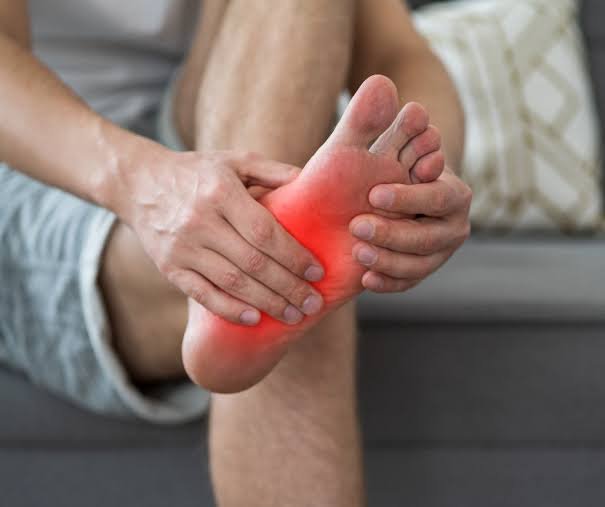
A small blister may seem harmless.
But for someone living with diabetes, a minor foot injury can sometimes become a much larger problem if reduced sensation, poor circulation or infection is present.
This is why diabetic foot care should be a routine part of diabetes management rather than something considered only after a wound develops.
Checking your feet regularly and recognising early warning signs can help prevent serious complications.
Why Does Diabetes Affect the Feet?
Long-term high blood glucose can damage nerves.
This condition is called diabetic neuropathy.
When nerves in the feet are affected, a person may experience numbness, tingling, burning, pain or reduced sensation.
Reduced sensation can be particularly dangerous.
Imagine developing a blister from tight footwear but not feeling it.
You may continue walking on the injured area throughout the day. The blister can worsen, the skin can break and an infection can develop before you realise there is a problem.
Diabetes can also affect blood circulation.
Reduced blood flow may make it more difficult for wounds to heal.
When neuropathy and circulation problems occur together, the risk of diabetic foot complications increases.
What Are the Early Symptoms of Diabetic Foot Problems?
Do not wait only for severe pain.
Some people with neuropathy may have a significant foot problem without experiencing much pain at all.
Pay attention to numbness, tingling, burning sensations, altered temperature sensation, swelling, redness, skin cracks, calluses, blisters and colour changes.
Cuts or wounds that are slow to heal require attention.
Changes in the shape of the foot, unusual pressure areas or repeated footwear injuries should also be assessed.
A person with diabetes should take even a small wound seriously if it is not improving.
What Is a Diabetic Foot Ulcer?
A diabetic foot ulcer is an open wound or sore that develops on the foot of a person with diabetes.
Several factors can contribute.
Reduced sensation can allow repeated pressure or injury to go unnoticed.
Poor circulation can slow healing.
Infection can then complicate the wound further.
Not every wound becomes an ulcer, and not every diabetic foot ulcer leads to amputation.
Early detection, pressure management, wound care, glucose control and appropriate medical treatment can make a major difference.
The key is not to ignore the problem.
Can Diabetic Neuropathy Be Reversed?
The answer depends on the type, severity and cause of nerve damage.
Good diabetes management can help reduce the risk of further nerve damage, but established neuropathy may not always completely disappear.
This makes prevention especially important.
Keeping glucose under appropriate control, attending regular diabetes reviews and reporting symptoms early can help protect foot health.
Treatment may also be required for neuropathic pain or related complications.
How Should People With Diabetes Check Their Feet?
A quick daily inspection can become an important diabetes habit.
Look at the top, sides, soles, heels and areas between the toes.
If you find it difficult to see the bottom of your feet, a mirror or help from a family member may be useful.
Look for cuts, cracks, swelling, redness, blisters, nail problems and areas of unusual pressure.
The purpose is not to become worried about every tiny variation.
It is to recognise changes early.
If something looks unusual or is not healing normally, seek professional advice.
Why Footwear Matters in Diabetes
Poorly fitting shoes are a common source of pressure and friction.
Tight footwear can create blisters or repeated pressure points.
Very loose footwear may also cause rubbing.
People with reduced sensation may not immediately realise that a shoe is causing injury.
Appropriate diabetic footwear may be recommended for some individuals based on foot shape, pressure distribution and previous foot problems.
Do not assume that simply buying shoes labelled “diabetic” guarantees that they are suitable.
A proper foot assessment can help determine what type of footwear is appropriate for you.
Should People With Diabetes Walk Barefoot?
Walking barefoot can increase the chance of unnoticed cuts, burns, punctures or other injuries, particularly when sensation is reduced.
Even inside the house, a small sharp object may injure the foot without being immediately noticed.
Protective footwear is therefore particularly important for people with neuropathy or previous diabetic foot problems.
Before putting on footwear, check that there are no stones, sharp objects or folded material inside.
Can You Cut Corns and Calluses at Home?
Avoid cutting corns or calluses yourself with blades or sharp objects.
Similarly, do not apply strong chemical corn-removal products without medical guidance.
When sensation is reduced, attempting home treatment can accidentally damage healthy skin.
A healthcare professional trained in diabetic foot care can assess whether a callus represents an area of abnormal pressure and determine appropriate treatment.
Blood Sugar Control and Foot Healing
Foot care and blood sugar management cannot be separated.
Persistent high glucose can affect immune function and wound healing.
Therefore, treating a diabetic foot problem may also involve reviewing overall diabetes management.
Your doctor may evaluate glucose control, medication, circulation, infection risk, kidney health and other relevant factors.
Successful diabetic foot treatment often requires a coordinated approach rather than treating only the visible wound.
When Is a Diabetic Foot Problem an Emergency?
Seek prompt medical attention if you notice a rapidly worsening wound, spreading redness, significant swelling, pus or discharge, black or discoloured tissue, fever associated with a foot wound or other signs of infection.
A new wound in someone who already has neuropathy or circulation problems should also be assessed early.
Delaying treatment because “it is only a small cut” can allow the condition to become more complicated.
How Can Diabetic Foot Problems Be Prevented?
Prevention starts with regular diabetes management.
Keep blood glucose within the goals recommended by your healthcare team.
Inspect your feet regularly.
Use appropriate footwear.
Keep the feet clean and dry, while avoiding extremes of temperature that could cause burns.
Report new numbness, wounds, swelling or colour changes to your doctor.
People with a history of ulcers, neuropathy, circulation problems or foot deformities may require more frequent professional foot examinations.
Regular diabetic foot care is particularly important for people who have lived with diabetes for many years.
Why Diabetic Foot Screening Matters
A foot examination can identify problems that may not be obvious to the patient.
A healthcare professional can assess sensation, skin condition, pulses, footwear and areas of abnormal pressure.
If abnormalities are found early, preventive action may reduce the chance of future wounds.
This is one reason comprehensive diabetes care should include screening for complications, not only glucose testing.
Your blood sugar report may look satisfactory while a developing nerve or circulation problem remains unnoticed.
Diabetic Foot Treatment in Chennai
If you are experiencing numbness, tingling, repeated foot injuries, a non-healing wound or other diabetic foot symptoms, seek medical assessment rather than attempting prolonged home treatment.
M.V. Hospital for Diabetes, Royapuram, Chennai, provides comprehensive diabetes care that includes evaluation and management of diabetic foot problems and other diabetes-related complications.
People searching for diabetic foot treatment in Chennai can benefit from assessment by a diabetes care team that considers both the foot problem and overall diabetes control.
Frequently Asked Questions
Why do people with diabetes lose sensation in their feet?
Long-term diabetes can damage peripheral nerves, leading to diabetic neuropathy and reduced sensation.
Can a small cut be dangerous in diabetes?
It can become serious if it goes unnoticed, becomes infected or heals poorly, particularly in people with neuropathy or reduced circulation.
How often should someone with diabetes examine their feet?
A brief daily self-check is a useful routine, while professional foot assessment frequency should be based on individual risk.
Can people with diabetes get pedicures?
People with neuropathy, poor circulation or previous foot wounds should discuss nail and foot care with their healthcare professional to reduce injury risk.
When should I see a doctor for a diabetic foot wound?
Seek assessment promptly for wounds that are deep, infected, worsening, discoloured or not healing normally.
Where can I get diabetic foot treatment in Chennai?
People requiring diabetic foot assessment can consult M.V. Hospital for Diabetes in Royapuram, Chennai, for specialised diabetes and foot care.
Do not wait for a small foot problem to become a serious diabetes complication. Book a diabetic foot assessment at M.V. Hospital for Diabetes, Royapuram, Chennai.