
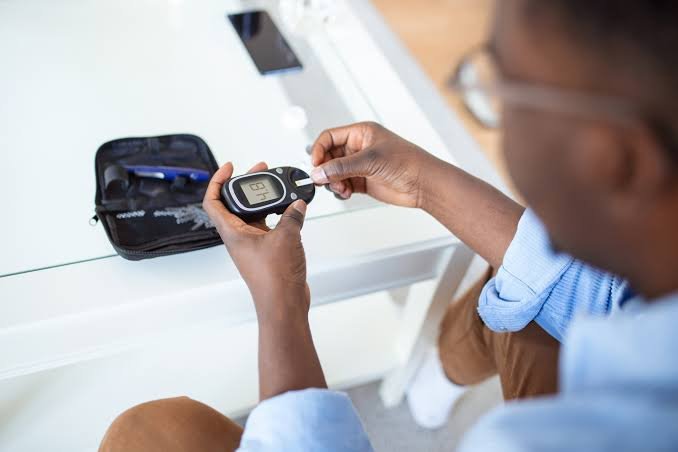
Early Signs of Diabetes You Should Never Ignore: 10 Warning Symptoms to Know
Diabetes does not always begin with obvious symptoms. For many people, the condition develops quietly, with early changes that are easily mistaken for everyday tiredness, stress, or changes in routine.
You may feel unusually thirsty, visit the bathroom more frequently, or experience persistent fatigue even after adequate rest. While these symptoms may seem harmless individually, they can sometimes indicate that your blood sugar levels are higher than normal.
Recognising the early signs of diabetes is important because timely diagnosis and appropriate management can help reduce the risk of long-term complications.
At MV Hospital for Diabetes in Chennai, we encourage individuals to understand the warning signs, recognise their personal risk factors, and seek medical evaluation when necessary.
What Is Diabetes, and Why Does It Develop?
Diabetes is a chronic condition in which the body has difficulty regulating blood glucose, commonly called blood sugar.
Glucose provides energy to the body’s cells. Insulin, a hormone produced by the pancreas, helps glucose move from the bloodstream into those cells.
In type 1 diabetes, the immune system damages the insulin-producing cells of the pancreas, leading to insufficient insulin production.
In type 2 diabetes, the body becomes less responsive to insulin, and the pancreas may eventually be unable to produce enough insulin to maintain healthy blood glucose levels.
As glucose builds up in the bloodstream, it can affect different organs and tissues.
The symptoms of type 1 diabetes may develop rapidly, while type 2 diabetes often develops gradually and may remain unnoticed for years.
1. Frequent Urination, Especially at Night
One of the most common early symptoms of diabetes is the need to urinate more frequently than usual.
When blood glucose becomes significantly elevated, the kidneys work to remove excess glucose through urine. This process also draws additional water out of the body.
You may notice that you are visiting the bathroom more often, waking up several times at night, or passing larger amounts of urine.
Frequent urination can have several other causes, including urinary tract infections and certain medications. However, when it occurs alongside increased thirst or unexplained fatigue, blood sugar testing may be appropriate.
2. Feeling Thirsty Even After Drinking Water
Persistent thirst is another important diabetes warning sign.
Because increased urination causes the body to lose additional fluid, you may feel thirsty more frequently.
Some people notice persistent dryness in their mouth or a desire to drink water even after consuming adequate fluids.
Increased thirst and frequent urination often occur together when blood glucose is significantly elevated.
If these symptoms are new or persistent, consult a healthcare professional rather than assuming they are caused by hot weather or dehydration alone.
3. Unexplained Weight Loss
Losing weight without changing your diet or physical activity can sometimes be a sign of diabetes.
When the body cannot use glucose effectively for energy, it may begin breaking down stored fat and muscle.
This can lead to unexpected weight loss despite eating normally or even feeling hungrier than usual.
Unintentional weight loss is particularly important in type 1 diabetes, where symptoms can develop quickly.
Rapid weight loss accompanied by excessive thirst, vomiting, abdominal pain, or unusual breathing requires urgent medical attention.
4. Constant Tiredness and Low Energy
Feeling tired occasionally is normal. However, persistent fatigue without an obvious explanation deserves attention.
When glucose cannot enter cells efficiently, the body may struggle to use it effectively for energy.
Sleep disruption caused by frequent nighttime urination can contribute to tiredness.
Other medical conditions, including anaemia, thyroid disorders, and sleep problems, can cause similar symptoms.
If fatigue continues despite adequate rest, a medical assessment can help identify the underlying cause.
5. Blurred or Fluctuating Vision
High blood glucose can temporarily alter fluid balance in the eye, affecting the shape and focusing ability of the lens.
This may cause blurred or fluctuating vision.
Some individuals notice difficulty reading, seeing distant objects clearly, or maintaining consistent vision throughout the day.
Long-term diabetes can also damage the small blood vessels in the retina, potentially leading to diabetic retinopathy.
Because vision changes have multiple possible causes, they should not be ignored.
Sudden loss of vision or a major change in sight requires urgent medical evaluation.
6. Increased Hunger
Feeling unusually hungry, even after eating, can sometimes occur in people with diabetes.
Although glucose may be present in the bloodstream, the body’s cells may not be able to use it efficiently.
This can contribute to increased appetite.
Excessive hunger is not specific to diabetes, but when combined with frequent urination, thirst, or unexpected weight loss, it may indicate a need for blood glucose testing.
7. Cuts and Wounds That Heal Slowly
Have you noticed that a minor cut, blister, or skin injury is taking longer than expected to heal?
Persistently elevated blood sugar can affect immune function, circulation, and the body’s ability to repair damaged tissues.
As a result, some people with diabetes experience delayed wound healing.
This concern is especially important when injuries occur on the feet.
A wound that becomes increasingly red, swollen, painful, or produces discharge should be evaluated promptly.
People with established diabetes should seek early professional advice for foot injuries because complications can develop even when pain is minimal.
8. Frequent Infections
Repeated infections can sometimes be associated with high blood glucose.
People with diabetes may experience recurrent urinary tract infections, yeast infections, or skin infections.
Higher glucose levels can create conditions that favour certain microorganisms, while poorly controlled diabetes may interfere with normal immune responses.
However, infections can develop for many reasons and do not automatically indicate diabetes.
If infections occur repeatedly, medical evaluation may help identify contributing factors.
9. Tingling or Numbness in the Hands and Feet
A tingling, burning, or numb sensation in the feet can be associated with peripheral neuropathy, a type of nerve damage that may develop in people with diabetes.
It is generally considered a complication of prolonged elevated blood glucose rather than a reliable early symptom in every patient.
However, some individuals with newly diagnosed type 2 diabetes may already have nerve-related symptoms because the condition has been present for some time.
Persistent tingling or loss of sensation requires assessment because vitamin deficiencies, nerve compression, and other conditions can produce similar symptoms.
10. Darkened Skin Around the Neck or Underarms
Dark, thickened, velvety skin around the neck, underarms, or other skin folds is known as acanthosis nigricans.
It can be associated with insulin resistance, which is an important risk factor for type 2 diabetes.
Although this skin change does not confirm diabetes, it may indicate the need to evaluate metabolic health, particularly when accompanied by excess body weight or a family history of diabetes.
Who Should Be Screened for Diabetes?
Some people develop diabetes without noticeable symptoms. This is why screening is important.
You may need diabetes screening if you have risk factors such as:
- A parent or sibling with type 2 diabetes.
- Being overweight or having excess abdominal fat.
- Limited regular physical activity.
- A history of gestational diabetes.
- High blood pressure or abnormal cholesterol levels.
- Polycystic ovary syndrome.
- A previous diagnosis of prediabetes.
Adults should discuss age-appropriate screening with their doctor, even when they feel healthy.
How Is Diabetes Diagnosed?
Doctors may recommend laboratory tests such as HbA1c, fasting plasma glucose, or an oral glucose tolerance test.
HbA1c reflects average blood glucose over approximately two to three months, whereas fasting glucose measures the level at a particular point after fasting.
A diagnosis generally requires confirmation unless there is unequivocal hyperglycaemia. The appropriate test depends on individual circumstances.
NIDDK+1
Can Type 2 Diabetes Be Prevented?
Not every type of diabetes is preventable. Type 1 diabetes cannot currently be prevented through ordinary lifestyle changes.
However, many people at risk of type 2 diabetes can reduce or delay their risk through evidence-based lifestyle measures.
These include regular physical activity, balanced nutrition, weight management where appropriate, sufficient sleep, and timely medical screening.
People diagnosed with prediabetes should discuss an individualised prevention plan with their healthcare professional.
Frequently Asked Questions
Can I have diabetes without any symptoms?
Yes. Type 2 diabetes can remain undiagnosed for years because early symptoms may be mild or absent.
Is frequent urination always a sign of diabetes?
No. It can occur for several reasons. Persistent urination changes, particularly with increased thirst, deserve medical assessment.
Can young adults develop type 2 diabetes?
Yes. Type 2 diabetes can occur in younger adults and children, especially when relevant risk factors are present.
When should I get tested for diabetes?
Testing may be appropriate when you experience persistent symptoms or have risk factors. Your doctor can advise on the timing and type of screening.
Take the First Step Towards Early Diabetes Detection
Recognising the early signs of diabetes can help you seek medical attention before complications develop.
If you are experiencing frequent thirst, unexplained tiredness, unusual weight changes, or other possible symptoms, do not rely on assumptions or self-diagnosis.
At MV Hospital for Diabetes, Royapuram, Chennai, our focus is on helping individuals understand diabetes, recognise potential warning signs, and receive appropriate evaluation and ongoing care.
Consult MV Hospital for Diabetes in Chennai for diabetes screening and professional medical guidance.
Medical reference: CDC – Symptoms of Diabetes. Medical review is recommended before website publication.