
HbA1c vs Fasting Blood Sugar: What Is the Difference and Why Does It Matter?
You may have checked your fasting blood sugar and found that it was within the normal range. But does that mean your blood sugar has remained normal throughout the day or over the past few months?
Not necessarily.
Diabetes is diagnosed and monitored using different blood tests, with each test providing important information about glucose levels.
Two commonly used investigations are the HbA1c test and the fasting blood sugar test.
Although both measure aspects of blood glucose, they answer different questions.
A fasting blood sugar test shows your glucose level at a particular moment after fasting. An HbA1c test estimates your average blood glucose over approximately the previous two to three months.
Understanding these differences can help patients interpret results more accurately and have informed discussions with their doctors.
What Is an HbA1c Test?
The HbA1c test, also called the glycated haemoglobin test, measures the percentage of haemoglobin in red blood cells that has glucose attached to it.
Haemoglobin is a protein in red blood cells that helps carry oxygen throughout the body.
When glucose circulates in the bloodstream, some attaches to haemoglobin. The amount of glycated haemoglobin generally reflects average blood glucose exposure over recent months.
This makes HbA1c particularly useful for understanding longer-term glucose patterns.
Unlike a fasting blood sugar test, an HbA1c test usually does not require you to avoid food before providing a blood sample.
What Are Normal HbA1c Levels?
For non-pregnant adults, commonly used diagnostic categories are:
HbA1c Result | Interpretation |
Below 5.7% | Normal range |
5.7%–6.4% | Prediabetes range |
6.5% or above | Diabetes range |
These are diagnostic thresholds, not personalised treatment targets.
If you already have diabetes, your doctor may recommend a different HbA1c target based on your age, medical history, treatment, and risk of low blood sugar.
An HbA1c level of 6.5% or higher generally needs confirmation in the absence of unequivocal hyperglycaemia.
NIDDK+1
What Is a Fasting Blood Sugar Test?
A fasting blood sugar test measures the amount of glucose in your blood after you have avoided calorie-containing food and drinks for at least eight hours.
Water is generally permitted during the fasting period.
The test provides a snapshot of your blood glucose at the time the sample is collected.
It is commonly used for diabetes screening and diagnosis, especially when a healthcare professional wants to understand how your body manages glucose after an overnight fast.
However, fasting blood sugar can be affected by factors such as illness, stress, medication, and recent changes in routine.
What Are Normal Fasting Blood Sugar Levels?
For non-pregnant adults, commonly used laboratory fasting plasma glucose ranges are:
Fasting Blood Sugar | Interpretation |
Below 100 mg/dL | Normal range |
100–125 mg/dL | Prediabetes range |
126 mg/dL or above | Diabetes range |
A laboratory fasting plasma glucose value of 126 mg/dL or above may indicate diabetes, but confirmation is usually required.
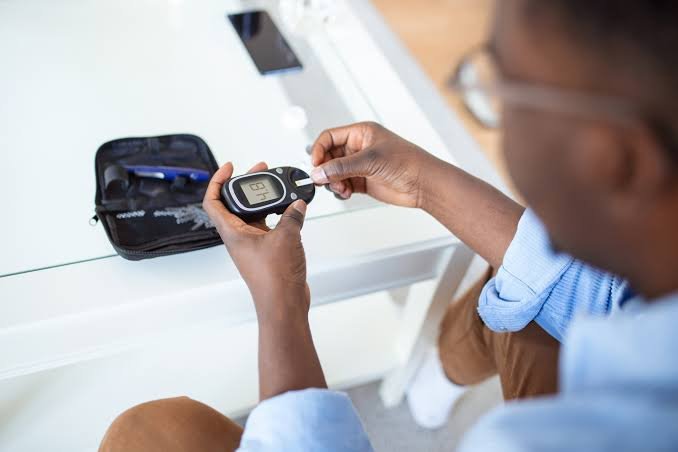
A home glucometer is useful for monitoring but should not replace diagnostic laboratory testing.
NIDDK+1
HbA1c vs Fasting Blood Sugar: Understanding the Main Differences
Although the tests are related, they serve different purposes.
Feature | HbA1c Test | Fasting Blood Sugar Test |
What it measures | Average glucose exposure over recent months | Glucose at one point after fasting |
Fasting required | Usually no | Yes, at least 8 hours |
Results expressed as | Percentage | mg/dL |
Long-term glucose assessment | Useful | Limited |
Diabetes diagnosis | Yes, when appropriate | Yes |
Affected by short-term changes | Less directly | More directly |
The most important difference is the period being measured.
One test reflects longer-term glucose exposure, while the other measures your blood glucose at a specific moment.
Why Can HbA1c Be High When Fasting Sugar Is Normal?
This is a common question among patients.
Suppose your fasting glucose is within the normal range, but your blood sugar rises significantly after meals.
Because fasting glucose measures only one point in time, it may not capture these after-meal increases.
HbA1c reflects glucose exposure over a much longer period and may therefore show a different result.
However, a mismatch does not always mean post-meal glucose is the explanation.
HbA1c can also be affected by certain types of anaemia, haemoglobin variants, kidney disease, recent blood loss, blood transfusions, and other conditions.
For this reason, your doctor may recommend additional testing when results do not match.
Which Test Is Better for Diagnosing Diabetes?
Neither test is universally better for everyone.
Both HbA1c and laboratory fasting plasma glucose are accepted methods for diagnosing diabetes in appropriate clinical situations.
Your doctor may select a test based on symptoms, risk factors, medical history, and practical considerations.
In some cases, an oral glucose tolerance test may be recommended. This test measures how the body handles glucose after drinking a standard glucose solution.
For pregnant women, diabetes testing follows specific recommendations, and HbA1c is not a substitute for the usual gestational diabetes diagnostic approach.
Why Is HbA1c Important After a Diabetes Diagnosis?
For people already diagnosed with diabetes, HbA1c is an important measure of longer-term glucose management.
It helps healthcare professionals evaluate how well a treatment plan is working over time.
For many non-pregnant adults with diabetes, an HbA1c target below 7% is commonly considered, but targets should always be individualised.
Some patients may benefit from a more stringent target, while others may need a less stringent target because of age, other medical conditions, or the risk of hypoglycaemia.
HbA1c should be interpreted alongside symptoms, home glucose readings, continuous glucose monitoring where used, and other relevant clinical information.
How Often Should You Check HbA1c?
The frequency of HbA1c testing depends on your circumstances.
People whose diabetes is stable and whose blood glucose levels are meeting agreed targets may be advised to have the test approximately twice a year.
Those who have recently changed treatment or are not meeting their glucose targets may need testing more frequently, often around every three months.
Your healthcare professional will recommend a schedule based on your individual needs.
What Can Affect Blood Sugar Test Results?
Several factors can influence how diabetes test results are interpreted.
These include recent illness, changes in medication, stress, altered sleep patterns, certain blood disorders, and pregnancy.
Fasting tests may be affected by whether the required fasting period was followed correctly.
HbA1c may be unreliable in conditions that affect red blood cell lifespan or haemoglobin.
If you have thalassaemia, significant anaemia, or another relevant medical condition, inform your doctor before your results are interpreted.
Does a Normal HbA1c Mean You Do Not Have Diabetes?
A normal HbA1c is reassuring, but it does not necessarily exclude diabetes in every situation.
Some people may have abnormal glucose tolerance despite HbA1c results below the diabetes threshold.
Others may have medical conditions that affect the reliability of HbA1c.
When symptoms or risk factors are present, your doctor may recommend fasting glucose testing or an oral glucose tolerance test even when HbA1c is not elevated.
Similarly, people with established diabetes should not assume that one satisfactory result means the condition has been permanently cured.
Frequently Asked Questions
Is HbA1c more accurate than fasting blood sugar?
Both are useful, but their accuracy and suitability depend on the individual. They measure different aspects of glucose regulation.
Do I need to fast before an HbA1c test?
Usually not, unless other blood tests requiring fasting are being performed at the same visit.
Can my fasting blood sugar be normal while HbA1c is high?
Yes. Differences may reflect glucose patterns at other times or factors affecting the test results.
Can diabetes be diagnosed with one blood test?
Sometimes, such as when classic symptoms occur with clearly elevated glucose. Otherwise, confirmatory testing is generally required.
Understand Your Blood Sugar Beyond a Single Number
Blood sugar testing is not just about receiving a normal or abnormal result.
It is about understanding how your body processes glucose and identifying concerns before they lead to complications.
At MV Hospital for Diabetes, Royapuram, Chennai, diabetes evaluation and ongoing care are centred on understanding each patient’s individual medical requirements.
Whether you need diabetes screening, assistance interpreting your HbA1c results, or guidance on long-term glucose monitoring, professional assessment can help you make informed decisions.
Consult MV Hospital for Diabetes in Chennai to understand your diabetes test results and the next steps in your care.
Medical references: NIDDK – Diabetes Tests and Diagnosis; NIDDK – The A1C Test and Diabetes.