
How Diabetes Can Affect Your Heart, Kidneys and Eyes: Understanding Long-Term Complications
When people think about diabetes, the first thing that usually comes to mind is high blood sugar. However, diabetes is not just about glucose levels.
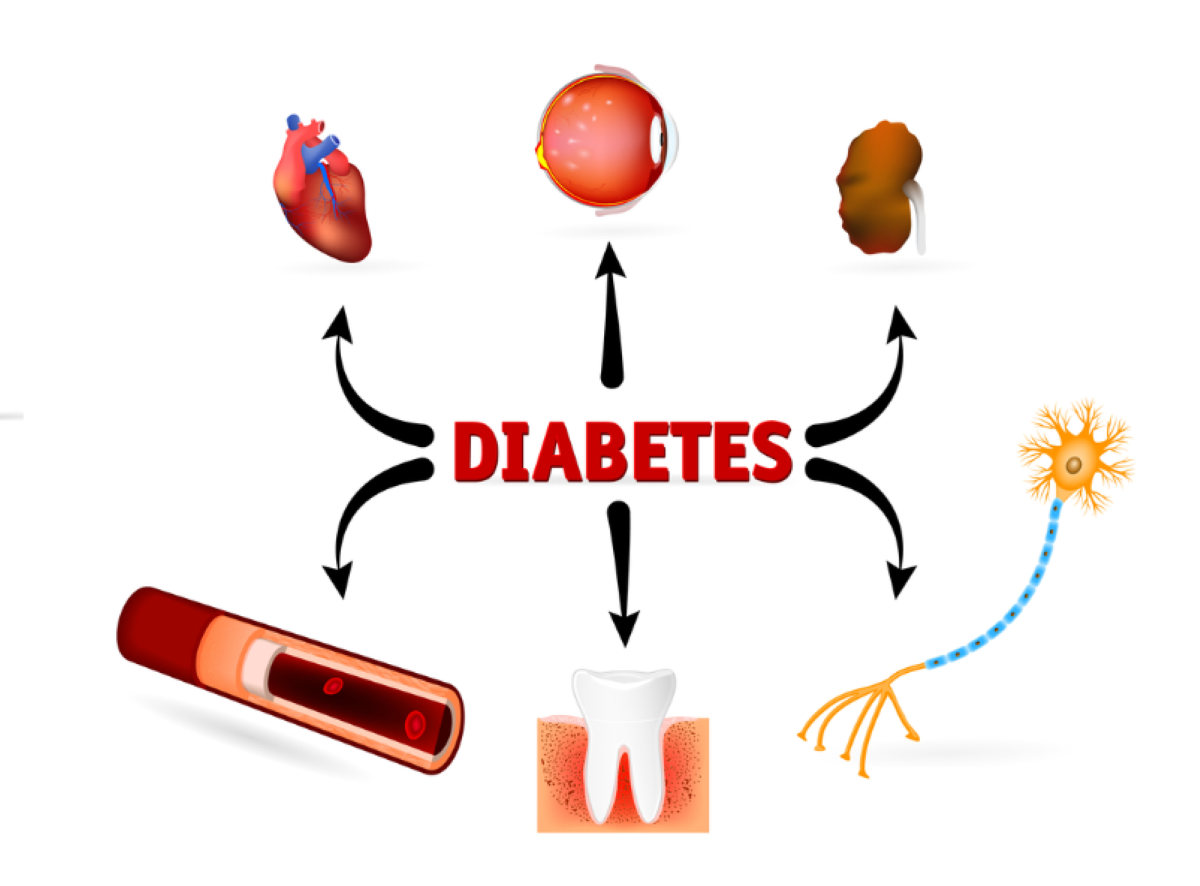
Over time, persistently elevated blood glucose can affect blood vessels, nerves, and organs throughout the body.
Some of the most important organs affected by diabetes are the heart, kidneys, and eyes.
What makes these complications particularly concerning is that damage can begin before noticeable symptoms develop.
A person may feel healthy, continue with their everyday routine, and still have early changes in kidney function or the blood vessels of the eyes.
The good news is that appropriate diabetes management, regular screening, and timely treatment can help prevent or delay many complications.
Understanding these risks is an important step towards protecting long-term health.
Why Does Diabetes Affect Different Organs?
Glucose is essential for providing energy to the body. However, when blood glucose remains elevated over extended periods, it can damage blood vessels and interfere with normal tissue function.
Diabetes can affect both large and small blood vessels.
Damage to larger blood vessels increases the risk of conditions such as coronary artery disease and stroke.
Damage to smaller blood vessels can affect the kidneys, retina, and nerves.
High blood pressure, abnormal cholesterol levels, smoking, and other health factors may increase the risk further.
These complications do not occur in everyone with diabetes, and many risks can be reduced with appropriate care.
1. Diabetes and Heart Disease: Understanding the Connection
People with diabetes have an increased risk of cardiovascular disease.
High blood glucose can contribute to damage within blood vessels, while conditions such as high blood pressure and abnormal cholesterol levels can accelerate cardiovascular problems.
Over time, fatty deposits may build up inside arteries, a process known as atherosclerosis.
This can reduce blood flow to the heart and other organs.
According to the National Institute of Diabetes and Digestive and Kidney Diseases, adults with diabetes are nearly twice as likely to have heart disease or stroke as adults without diabetes.
NIDDK
Common Heart-Related Complications
Coronary Artery Disease
This occurs when arteries supplying blood to the heart become narrowed or blocked.
Heart Attack
A heart attack may occur when blood flow to part of the heart muscle becomes severely reduced or blocked.
Heart Failure
Heart failure develops when the heart cannot pump blood effectively enough to meet the body’s needs.
Stroke
People with diabetes also face increased stroke risk because of changes affecting blood vessels and other cardiovascular risk factors.
Warning Signs That Should Not Be Ignored
Symptoms that may indicate a cardiovascular problem include chest discomfort, unusual shortness of breath, reduced exercise tolerance, or swelling in the legs.
However, some people with diabetes may experience less typical symptoms.
Chest pain, severe breathlessness, sudden weakness, facial drooping, or difficulty speaking requires emergency medical attention.
Regular cardiovascular assessment is important even when obvious symptoms are absent.
How Can People With Diabetes Protect Their Heart?
Managing diabetes involves more than controlling blood glucose.
A comprehensive approach includes managing blood pressure, monitoring cholesterol, avoiding smoking, maintaining physical activity, and following appropriate medical treatment.
Some diabetes medications may also offer heart or kidney benefits in selected patients.
Your doctor can determine whether these treatments are suitable based on your medical history and individual risks.
2. Diabetes and Kidney Disease: Why Early Testing Matters
The kidneys filter waste products and excess fluid from the bloodstream.
Inside each kidney are tiny filtering structures containing delicate blood vessels.
Persistently elevated blood glucose can damage these structures over time.
This may lead to a condition known as diabetic kidney disease, also called diabetic nephropathy.
In the early stages, kidney damage often develops without noticeable symptoms.
This is why regular kidney screening is essential for people living with diabetes.
What Are the Early Signs of Diabetic Kidney Disease?
Many patients do not experience symptoms when diabetic kidney disease first develops.
As kidney function worsens, some individuals may notice swelling around the feet or ankles, tiredness, changes in urination, or other symptoms.
However, these are not reliable indicators of early kidney damage.
Waiting for symptoms before undergoing kidney testing may delay diagnosis.
Important Kidney Tests for People With Diabetes
Two commonly recommended investigations help assess kidney health.
Urine Albumin-to-Creatinine Ratio (UACR)
This test detects albumin, a protein that may leak into the urine when the kidneys’ filtering structures are damaged.
Estimated Glomerular Filtration Rate (eGFR)
This blood-test-based calculation provides an estimate of how effectively the kidneys filter blood.
Together, these tests provide useful information about kidney health and the risk of progression.
Many adults with diabetes should undergo kidney assessment at least annually, although testing frequency depends on diabetes type, duration, kidney function, and other risk factors.
Can Diabetic Kidney Disease Be Prevented?
Not every case can be prevented, but the risk of progression can often be reduced.
Important measures include maintaining individualised blood glucose targets, controlling blood pressure, managing cardiovascular risks, and taking prescribed medications.
People with kidney disease should also discuss the safe use of painkillers and other medicines with their doctor.
Early detection provides an opportunity to intervene before kidney damage becomes more severe.
3. Diabetes and Eye Problems: Understanding Diabetic Retinopathy
The retina is the light-sensitive tissue at the back of the eye that helps us see.
Over time, high blood glucose can damage the small blood vessels supplying the retina.
This condition is called diabetic retinopathy.
In its early stages, diabetic retinopathy may not cause any noticeable change in vision.
As it progresses, blood vessels may leak fluid or bleed, affecting eyesight.
Advanced disease can cause serious vision loss.
Diabetes can also increase the likelihood of certain other eye problems, including cataracts and glaucoma.
What Are the Symptoms of Diabetic Retinopathy?
Possible symptoms include:
- Blurred or fluctuating vision.
- Dark spots or floating shapes in the visual field.
- Difficulty seeing clearly at night.
- Changes in colour perception.
- Partial vision loss.
However, the absence of symptoms does not rule out diabetic retinopathy.
Some patients may have retinal changes despite being able to see normally.
This makes regular eye examinations especially important.
NIDDK+1
Why Are Regular Eye Examinations Necessary?
A dilated retinal examination allows an eye-care professional to assess the blood vessels and structures at the back of the eye.
People diagnosed with type 2 diabetes are generally advised to have a retinal examination at diagnosis.
For individuals with type 1 diabetes, the initial examination is usually recommended within five years of diagnosis.
Follow-up intervals depend on eye findings, diabetes control, and the advice of an eye-care professional.
Early detection and treatment can significantly reduce the risk of severe vision loss.
What Can You Do to Reduce Diabetes Complications?
Protecting your heart, kidneys, and eyes requires a consistent approach to diabetes management.
Maintain Your Recommended Blood Sugar Targets
Follow the treatment plan agreed with your healthcare professional.
Monitor Blood Pressure and Cholesterol
These factors play an important role in the risk of heart, kidney, and eye complications.
Attend Regular Screening Appointments
Kidney tests, retinal examinations, and cardiovascular risk assessments help identify potential concerns before symptoms develop.
Follow a Balanced Diet
Choose a dietary approach appropriate for your glucose management, nutritional needs, and other medical conditions.
Stay Physically Active
Regular movement supports metabolic and cardiovascular health. Your doctor can advise on appropriate activity if you have complications.
Avoid Smoking
Smoking increases cardiovascular risk and can worsen blood vessel damage.
Why Is Comprehensive Diabetes Care Important?
Diabetes management should not be limited to checking fasting blood sugar or HbA1c.
A comprehensive care plan also considers kidney function, cardiovascular health, eye health, nerve function, and foot health.
Different individuals have different risks.
For example, someone with longstanding diabetes and high blood pressure may require closer kidney and cardiovascular monitoring.
Another patient may need additional attention to retinal changes or nerve-related symptoms.
Regular medical reviews help identify these risks and guide individualised treatment.
Frequently Asked Questions
Can diabetes damage organs even when I feel healthy?
Yes. Early kidney and retinal complications often develop without noticeable symptoms.
Does every person with diabetes develop complications?
No. Appropriate management, screening, and treatment can significantly reduce many risks.
Can controlling blood sugar alone prevent complications?
Blood glucose management is essential, but blood pressure, cholesterol, smoking status, and other health factors are also important.
How often should I undergo diabetes complication screening?
The schedule depends on your medical history and risk level. Your healthcare professional can recommend suitable kidney, eye, foot, and cardiovascular assessments.
Protecting Your Health Goes Beyond Blood Sugar Control
Living with diabetes requires attention to more than a single laboratory result.
Regular screening and ongoing medical care can help identify potential problems affecting the heart, kidneys, and eyes before they become severe.
At MV Hospital for Diabetes, Royapuram, Chennai, our approach to diabetes care emphasises awareness of complications, timely evaluation, and appropriate long-term management.
Understanding your individual health risks can help you take meaningful steps towards protecting your quality of life.
Consult MV Hospital for Diabetes in Chennai to discuss comprehensive diabetes management and complication screening.
Medical references: NIDDK – Diabetes, Heart Disease and Stroke; NIDDK – Diabetic Eye Disease.