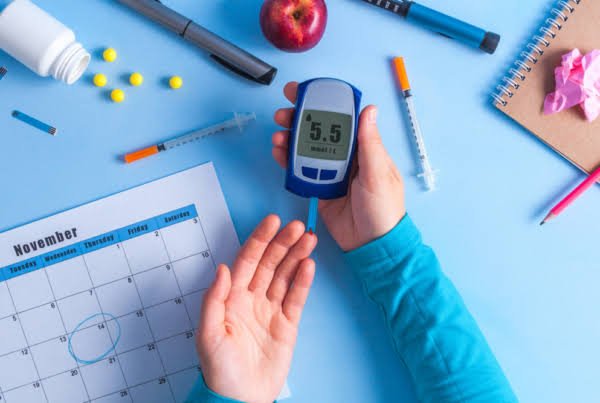
If you are living with diabetes, you have probably heard your doctor discuss your HbA1c.
Many patients know that a lower HbA1c is generally associated with better blood glucose control, but fewer understand what the test actually represents.
Even more importantly, HbA1c is not the only measurement that matters in diabetes.
Effective diabetes management looks at the bigger picture: daily glucose patterns, blood pressure, cholesterol, kidneys, eyes, nerves, feet, medications and lifestyle.
What Is HbA1c?
HbA1c, also called glycated haemoglobin, is a blood test used to estimate average blood glucose exposure over roughly the previous two to three months.
Glucose circulates in the bloodstream and attaches to haemoglobin inside red blood cells.
The HbA1c test measures the percentage of haemoglobin that has glucose attached to it.
Because red blood cells remain in circulation for several weeks, the test provides a longer-term view than one fasting glucose reading.
This makes the HbA1c test valuable both for diagnosing diabetes in appropriate circumstances and for monitoring diabetes over time.
Is HbA1c Better Than Fasting Blood Sugar?
They measure different things.
A fasting blood glucose result reflects your glucose level at a particular moment, usually after not eating overnight.
HbA1c provides a broader picture of average glucose exposure over several weeks.
One cannot always replace the other.
For example, someone may have an acceptable fasting glucose result but experience large rises after meals.
Another person may have widely fluctuating glucose levels while their average appears less concerning.
That is why doctors often interpret several pieces of information together.
What Is a Good HbA1c Level?
There is no single HbA1c goal that is perfect for every person with diabetes.
Treatment targets may differ depending on age, duration of diabetes, pregnancy, medications, risk of hypoglycaemia, kidney disease, cardiovascular disease and other medical considerations.
An older adult with multiple health problems may require a different goal from a younger adult who has recently developed diabetes.
Your target should therefore be discussed with your diabetologist rather than copied from somebody else’s laboratory report.
Can HbA1c Be High Even When You Feel Fine?
Yes.
High blood glucose does not always produce obvious symptoms.
This is one reason regular monitoring is so important.
A person may continue normal daily activities while glucose levels remain above the desired range.
Over time, persistent high glucose can contribute to damage involving blood vessels and nerves.
Therefore, waiting until you feel unwell is not a reliable diabetes monitoring strategy.
Why One HbA1c Result Does Not Tell the Whole Story
Imagine two people with the same HbA1c.
The first person’s glucose might remain relatively stable throughout the day.
The second person’s glucose may frequently swing between high and low levels.
The average could look similar even though their daily glucose patterns are very different.
This is one reason your diabetologist may ask about fasting glucose, post-meal glucose, episodes of low blood sugar, medication timing and eating habits.
In selected patients, continuous glucose monitoring can provide additional information about glucose patterns throughout the day and night.
The goal is not simply to “chase a number.”
The goal is safer, more consistent diabetes control.
Why Does Blood Sugar Rise After Meals?
Carbohydrates from food are broken down into glucose, which enters the bloodstream.
Insulin helps move glucose from the blood into cells where it can be used for energy.
In people with diabetes, the body may not produce enough insulin, may not use insulin effectively or may have a combination of these problems.
As a result, glucose can remain elevated after eating.
Portion size, carbohydrate quantity, food composition, medication timing and physical activity can all influence post-meal glucose.
This is why dietary counselling and glucose monitoring are often used together.
Can Blood Sugar Rise Even Without Eating?
Yes.
Your body can produce glucose even when you have not recently eaten carbohydrates.
The liver helps maintain glucose availability between meals and overnight.
Hormones, stress, illness and normal physiological processes can influence this glucose production.
This explains why someone may sometimes notice a higher fasting blood glucose even though they did not eat sweets or carbohydrates during the night.
Diabetes is therefore not simply a condition caused by what you ate during the previous meal.
It involves the way the body regulates glucose.
What Other Tests Matter in Diabetes?
A comprehensive diabetes checkup involves much more than HbA1c.
Kidney function should be monitored because diabetes can affect the kidneys over time.
Eye examinations help identify diabetic eye disease.
Foot examinations can detect reduced sensation, circulation problems, wounds or other abnormalities.
Blood pressure and cholesterol are also important because cardiovascular risk is closely connected with diabetes.
Your healthcare team may recommend additional investigations depending on your individual health profile.
Preventive screening can identify changes before they become more difficult to treat.
How Can You Improve HbA1c?
Improving HbA1c generally requires improving overall blood glucose patterns rather than searching for a quick fix.
That may involve adjustments to food portions, regular physical activity, taking prescribed medication consistently, improving treatment adherence and monitoring glucose more effectively.
Sleep, stress, illness and weight changes may also affect glucose.
If your HbA1c remains high despite following your current treatment, speak with your diabetologist.
It may indicate that the treatment plan needs reassessment.
Do not simply double medication or make extreme dietary changes without medical advice.
Why Regular Follow-Up Matters
Diabetes changes over time.
A treatment plan that worked several years ago may not always continue to produce the same results.
Changes in weight, age, kidney function, activity, medications and the natural progression of type 2 diabetes can influence blood glucose.
Regular consultations allow your healthcare team to identify patterns and make timely adjustments.
This is particularly important if you have repeated hypoglycaemia, persistently high glucose readings or new diabetes-related symptoms.
HbA1c and Diabetes Monitoring in Chennai
People searching for an HbA1c test, diabetes checkup or diabetologist in Chennai should consider a comprehensive evaluation rather than focusing only on a single laboratory result.
At M.V. Hospital for Diabetes, Royapuram, Chennai, diabetes care can include monitoring of blood glucose along with assessment for diabetes-related complications.
Patients can also access diabetes services through the M.V. Centre of Diabetes in Adyar.
Frequently Asked Questions
What does HbA1c measure?
HbA1c estimates average blood glucose exposure over roughly the previous two to three months.
Can fasting blood sugar be normal while HbA1c is high?
Yes. Fasting glucose represents one point in time, while HbA1c reflects a longer period and may also be influenced by post-meal glucose levels.
How often should HbA1c be checked?
The frequency depends on your glucose control, treatment and doctor’s recommendation.
Can stress increase blood sugar?
Yes. Stress hormones can influence blood glucose levels in some people.
Should I change my medication if my HbA1c is high?
Medication changes should be made only after assessment by your healthcare professional.
Your diabetes care should look beyond a single number. Schedule a comprehensive diabetes evaluation at M.V. Hospital for Diabetes, Royapuram, Chennai, or the M.V. Centre of Diabetes, Adyar.