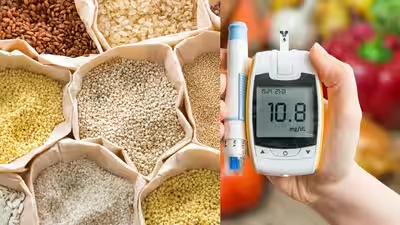
“Can I eat rice if I have diabetes?”
“Should I completely switch to millets?”
“Is wheat better for blood sugar?”
These are some of the most common questions people ask when planning a diabetes diet.
The confusion often comes from labelling individual foods as either “diabetic-friendly” or “bad for diabetes.”
In reality, blood glucose management is more complex.
Rice, wheat and millets are all sources of carbohydrates. The effect of a meal on your blood sugar depends not only on which carbohydrate you choose, but also on the portion, preparation method, accompanying foods, overall nutritional quality and your individual glucose response.
Are Millets Carbohydrates?
Yes.
Millets are nutritious grains, but they still contain carbohydrates.
Changing from white rice to millet does not automatically mean carbohydrates have disappeared from your meal.
Millets can provide fibre, minerals and other nutrients, and certain varieties may be useful as part of a balanced diet. However, eating very large portions can still contribute a significant amount of carbohydrate.
This is why portion awareness remains important even when choosing foods commonly described as healthy.
Is Wheat Good for Diabetes?
Wheat can be included in the diet of many people with diabetes, but the form of wheat matters.
Whole-grain preparations generally retain more fibre than highly refined wheat products.
However, wheat is still a carbohydrate source.
Eating several chapatis simply because they do not taste sweet can still affect blood glucose.
A better question than “Is wheat allowed?” is:
“How much wheat is appropriate for my meal, and what am I eating with it?”
That shift in thinking can make a diabetes diet plan much more practical.
Can People With Diabetes Eat Rice?
Yes, many people with diabetes can include rice as part of a personalised meal plan.
Diabetes management does not always require permanently removing culturally familiar foods.
The quantity of rice, type of rice, meal composition, frequency and individual blood glucose response are important.
For example, a large plate dominated by rice may affect blood glucose differently from a controlled portion served alongside vegetables, dal or another protein source and fibre-rich foods.
Instead of fearing one specific food, focus on the balance of the complete plate.
Why Protein and Fibre Matter With Carbohydrates
A bowl of carbohydrate eaten by itself is very different from a balanced meal.
Protein and fibre can increase satiety and help improve overall meal quality.
Good protein sources may include foods such as pulses, lentils, eggs, fish, lean meats, paneer or other choices suited to the individual’s dietary pattern.
Vegetables, legumes, whole grains and other minimally processed plant foods can contribute dietary fibre.
The exact combination should still be individualised because kidney disease, weight goals, gastrointestinal problems and other conditions can influence dietary recommendations.
This is why personalised nutrition advice is more useful than following a generic viral “diabetic food chart.”
What Is the Best Breakfast for Diabetes?
There is no single best breakfast for every person with diabetes.
A good breakfast generally aims to provide appropriate portions of carbohydrate alongside protein, fibre and other nutrients instead of relying heavily on refined carbohydrates or sugary beverages.
For example, the question is not simply whether idli, dosa, oats or millet is “good” or “bad.”
The number of portions, accompaniments and preparation method matter.
Someone who eats three or four servings of a supposedly healthy food may experience a different glucose response from someone consuming a smaller portion with protein and vegetables.
Your medication schedule also matters.
A diabetes diet should work together with your treatment rather than against it.
Fruit and Diabetes: Should You Avoid It?
Fruit contains natural sugars and carbohydrates, but it also provides vitamins, minerals, fibre and other nutrients.
For many people with diabetes, whole fruit can be incorporated in suitable portions.
Fruit juice is different because it is easier to consume a larger amount quickly and usually contains much less fibre than whole fruit.
The timing and quantity of fruit may need to be personalised based on glucose levels and overall calorie requirements.
The solution is usually not to fear every naturally sweet food. It is to understand portions and patterns.
Why “Sugar-Free” Does Not Always Mean Diabetes-Friendly
Another common mistake is assuming anything labelled sugar-free can be eaten freely.
A sugar-free biscuit, dessert or packaged snack may still contain refined flour, starch, fat, calories or other carbohydrates.
Similarly, jaggery, honey and brown sugar are sometimes promoted as healthier replacements for white sugar, but they can still raise blood glucose.
Marketing terminology should not replace nutrition awareness.
Read food labels and discuss packaged foods with a qualified dietitian if you are uncertain.
What Does a Balanced Diabetes Plate Look Like?
Rather than obsessing over one ingredient, think of the meal as a whole.
A substantial proportion can come from non-starchy vegetables, with an appropriate protein source and a controlled portion of carbohydrate based on individual requirements.
The exact proportion is not identical for everybody.
Someone trying to gain weight, someone trying to lose weight and someone with kidney disease may each require a different meal plan.
Food preferences, work schedules, cultural eating patterns and medications should also be considered.
A practical diabetes diet should be sustainable enough to follow for years, not simply for one week.
Should You Completely Stop Carbohydrates?
Carbohydrates are one of the body’s important energy sources.
Extremely restrictive eating patterns should not be started simply because somebody on social media claims carbohydrates are harmful.
The type, quantity and quality of carbohydrates matter.
Your healthcare professional or dietitian can help determine the amount appropriate for your health goals.
The objective of diabetes nutrition is not fear.
It is informed food selection.
How Do You Know Whether a Food Works for Your Blood Sugar?
Blood glucose monitoring can provide useful information.
For selected patients, comparing glucose before and after meals under professional guidance can reveal patterns.
This does not mean becoming anxious about every reading.
It means using data to understand your body’s response and allowing your healthcare team to make appropriate recommendations.
Two people can eat the same meal and experience different glucose responses because of differences in medications, insulin sensitivity, activity, sleep, stress and many other factors.
Personalisation matters.
Diabetes Nutrition Support in Chennai
At M.V. Hospital for Diabetes in Royapuram, Chennai, nutrition forms part of comprehensive diabetes management.
The goal of a structured diabetes diet is not simply to hand a patient a list of foods to avoid. It is to help build an eating pattern that supports blood sugar management while fitting the person’s lifestyle and health needs.
People looking for diabetes care in Chennai can also access M.V. Centre of Diabetes in Adyar.
Frequently Asked Questions
Which is better for diabetes: rice, wheat or millet?
There is no universal winner. Portion size, fibre content, preparation, meal combination and individual glucose response are all important.
Are millets sugar-free?
No. Millets contain carbohydrates and can influence blood glucose.
Can a person with diabetes eat chapati every day?
Many people can, depending on portion size, total carbohydrate intake and their personalised meal plan.
Is fruit bad for diabetes?
Whole fruit can generally be incorporated in suitable portions for many people with diabetes. Individual recommendations may differ.
Should people with diabetes avoid carbohydrates completely?
Not necessarily. Diabetes nutrition usually focuses on the quantity, quality and distribution of carbohydrates rather than simply removing an entire nutrient group.
Confused about what to eat for diabetes? Get personalised nutrition and diabetes guidance at M.V. Hospital for Diabetes, Royapuram, Chennai, or M.V. Centre of Diabetes, Adyar.