
Managing diabetes is not about making one dramatic lifestyle change. It is about consistently making the right decisions regarding food, physical activity, medication, blood sugar monitoring and preventive healthcare.
Whether you have recently been diagnosed with diabetes or have been managing the condition for several years, understanding the fundamentals of diabetes management can help you take greater control of your health.
The most effective approach is usually a combination of four areas: eating balanced meals, staying physically active, taking prescribed medication correctly and monitoring your blood glucose regularly.
What Is the Best Way to Manage Diabetes?
The short answer is that diabetes should be managed through a personalised combination of healthy eating, physical activity, prescribed medicines and regular blood sugar monitoring.
There is no single diabetes management plan that works for everyone. Your age, type of diabetes, medications, lifestyle, other medical conditions and blood glucose patterns can all influence your treatment plan.
That is why regular consultation with a diabetologist is important.
Step 1: Build Balanced Meals Instead of Simply Avoiding Sugar
One of the most common misconceptions about diabetes is that blood sugar control only means avoiding sweets.
Sugar is certainly important, but carbohydrates as a whole affect blood glucose. Rice, wheat, idli, dosa, bread, millets, fruits and many other everyday foods contain carbohydrates.
The goal is therefore not necessarily to eliminate carbohydrates. It is to understand the amount, portion size and combination of foods on your plate.
Pairing carbohydrate foods with vegetables, fibre, protein and appropriate healthy fats can help create a more balanced meal.
For example, rather than focusing only on whether rice is allowed, consider the entire meal: the quantity of rice, vegetables, protein source, cooking method and overall calorie requirement.
A personalised diabetes diet is particularly useful because the right meal plan can differ depending on body weight, medication, kidney health, cholesterol levels and daily activity.
Regular nutrition counselling can therefore be an important part of diabetes care.
Step 2: Make Physical Activity Part of Everyday Diabetes Management
Physical activity is another important tool for blood sugar control.
When you move your body, your muscles use glucose for energy. Regular activity can also improve insulin sensitivity, meaning your body may use insulin more effectively.
You do not necessarily need an intense gym routine to begin.
Walking, cycling, swimming, yoga or other activities recommended for your health condition can all contribute to a more active lifestyle.
Consistency matters more than suddenly doing a large amount of exercise.
Someone who has been inactive may benefit from beginning gradually and increasing activity after discussing it with their healthcare professional.
People taking insulin or certain diabetes medicines may also need guidance about exercise because physical activity can sometimes lower blood glucose significantly.
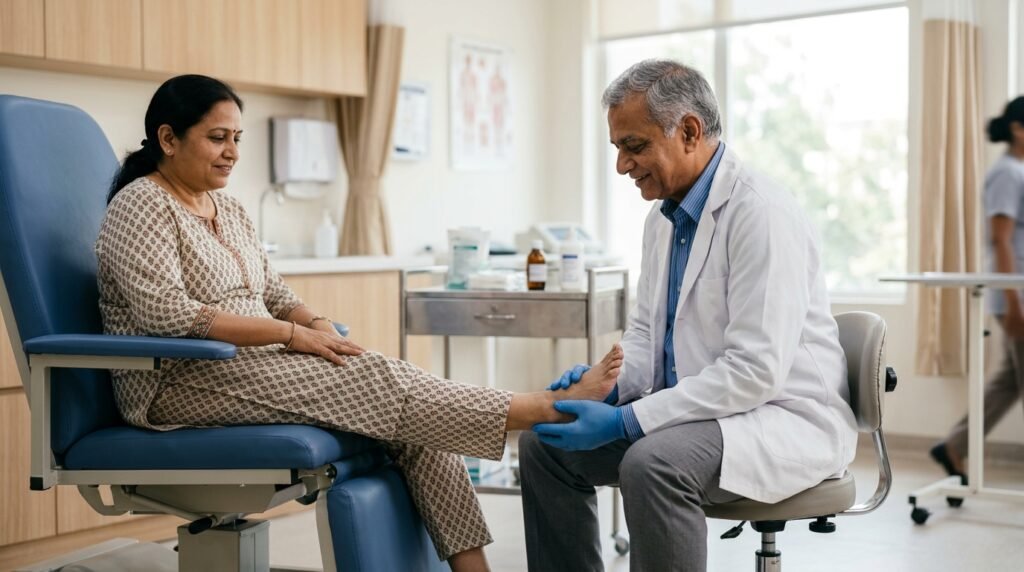
Foot health should also be considered before starting a new exercise routine, particularly if you have diabetic neuropathy, foot ulcers or reduced sensation.
Step 3: Take Diabetes Medicines Exactly as Prescribed
Lifestyle improvements are extremely important, but they do not replace medication when medication is medically required.
People sometimes stop diabetes medicines after seeing a few normal glucose readings. Others reduce the dose themselves because they feel better.
This can result in uncontrolled blood sugar returning without obvious symptoms.
Diabetes treatment may include tablets, injectable medicines, insulin or combinations of therapies depending on the individual’s condition.
Your diabetologist may adjust treatment based on factors including fasting blood sugar, post-meal glucose, HbA1c, kidney function, weight, risk of low blood sugar and other health conditions.
Never change or stop prescribed diabetes medication without discussing it with your treating doctor.
Modern diabetes treatment is highly individualised. What works for a relative, friend or colleague may not be appropriate for you.
Step 4: Monitor Blood Sugar and HbA1c Regularly
You cannot reliably judge your blood glucose simply based on how you feel.
Type 2 diabetes, in particular, can remain without obvious symptoms even when blood sugar levels are higher than recommended.
Monitoring can help your healthcare team understand patterns.
Depending on your treatment plan, this may include fasting glucose, post-meal glucose, home glucose monitoring, continuous glucose monitoring in selected cases and HbA1c testing.
HbA1c gives information about your average glucose level over approximately the previous two to three months.
However, HbA1c should not be viewed in isolation. Your doctor may also consider blood pressure, cholesterol, kidney function, eye health, nerve health and foot health.
Good diabetes management is about protecting the whole body, not simply achieving one laboratory number.
Why Regular Diabetes Check-Ups Matter
Persistent high blood glucose can gradually affect blood vessels and nerves.
Over time, diabetes can increase the risk of complications involving the heart, kidneys, eyes, nerves and feet.
The important point is that many diabetes complications can be detected earlier through appropriate screening.
A comprehensive diabetes review may therefore involve more than a blood sugar test.
Your diabetologist may recommend kidney tests, eye examinations, foot assessment, cholesterol testing and other investigations depending on your age, diabetes duration and health status.
Waiting until symptoms become severe is not the ideal approach.
Preventive diabetes care is an important part of long-term treatment.
When Should You Consult a Diabetologist?
Consider seeing a diabetologist if your fasting or post-meal glucose remains high, your HbA1c has increased, you experience repeated low blood sugar episodes, you are unsure about your diet or medications, or you develop symptoms such as numbness in the feet, vision changes or unexplained weight changes.
People newly diagnosed with diabetes can also benefit significantly from structured education early in their treatment journey.
Diabetes Care at M.V. Hospital for Diabetes, Chennai
Effective diabetes care requires more than treating a high glucose reading.
At M.V. Hospital for Diabetes, Royapuram, Chennai, diabetes management focuses on assessment, monitoring, lifestyle guidance and screening for diabetes-related complications.
Patients in Chennai can also access diabetes care through the M.V. Centre of Diabetes in Adyar.
If you are looking for a diabetologist in Chennai or comprehensive diabetes treatment in Chennai, a detailed evaluation can help determine what changes are most appropriate for your individual condition.
Frequently Asked Questions
Can diabetes be controlled naturally without medicine?
Some people with type 2 diabetes may achieve significant improvement through weight management, nutrition and physical activity, but others require medication. Treatment should be decided based on individual medical assessment.
How often should a person with diabetes check blood sugar?
The frequency depends on the type of diabetes, medication, insulin use, blood glucose stability and your doctor’s recommendation.
Is avoiding sugar enough to control diabetes?
No. Total carbohydrate intake, portions, physical activity, medication, sleep, stress and other health factors can influence blood glucose.
What is the most important number in diabetes management?
There is no single number that tells the complete story. Blood glucose and HbA1c are important, but blood pressure, cholesterol, kidney health, eye health and foot health also matter.
Where can I get diabetes treatment in Chennai?
People looking for comprehensive diabetes care can consult M.V. Hospital for Diabetes in Royapuram or M.V. Centre of Diabetes in Adyar, Chennai.
Take control of diabetes before complications take control of your health. Schedule a diabetes evaluation at M.V. Hospital for Diabetes, Royapuram, Chennai, or the M.V. Centre of Diabetes, Adyar.