
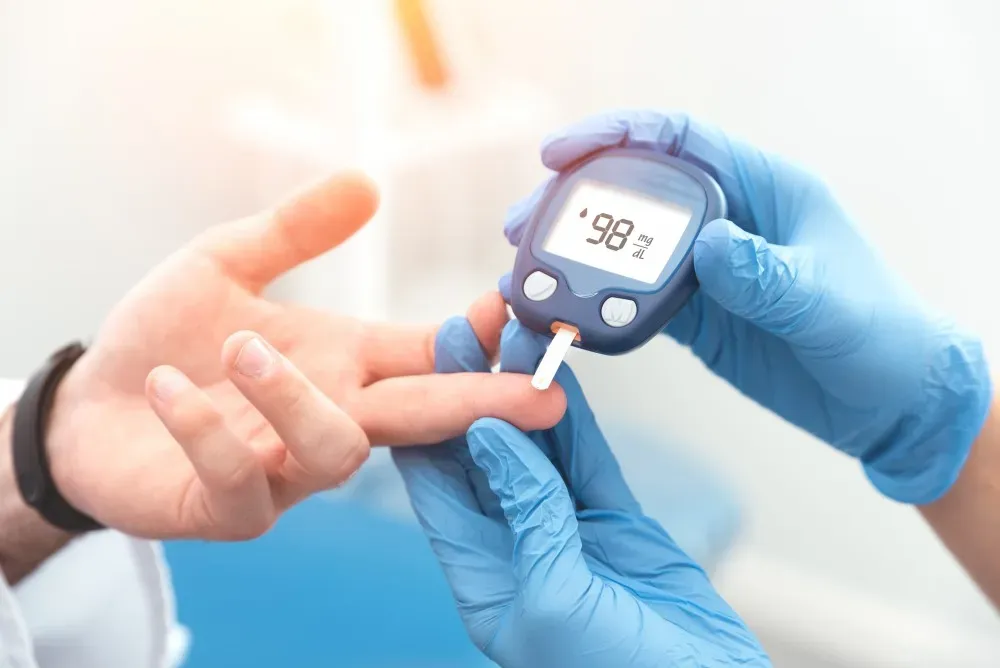
Managing diabetes effectively requires regular monitoring of blood sugar levels. While daily glucose readings are important, one of the most essential tests for long-term diabetes management is the HbA1c test.
At MV Hospital for Diabetes, we believe that patient education plays a major role in preventing diabetes complications and improving overall health outcomes. Understanding HbA1c can help patients make informed decisions about their treatment and lifestyle.
What Is HbA1c?
HbA1c, also known as glycated hemoglobin, is a blood test that measures your average blood sugar levels over the past 2–3 months.
When glucose enters the bloodstream, it attaches to hemoglobin in red blood cells. The HbA1c test measures how much sugar is attached to these cells.
Unlike regular blood sugar tests, HbA1c provides a long-term picture of diabetes control.
Why Is HbA1c Important?
HbA1c is important because it helps:
- Diagnose diabetes and prediabetes
- Monitor diabetes management
- Assess treatment effectiveness
- Predict risk of diabetes complications
Maintaining healthy HbA1c levels can reduce the risk of:
- Heart disease
- Kidney damage
- Nerve damage
- Eye complications
- Stroke
Normal HbA1c Levels
HbA1c Range | Meaning |
Below 5.7% | Normal |
5.7% – 6.4% | Prediabetes |
6.5% and above | Diabetes |
For most diabetes patients, doctors generally aim for an HbA1c below 7%, though targets may vary based on age and medical condition.
What Causes High HbA1c Levels?
Several factors can increase HbA1c levels, including:
- Poor diet
- Lack of exercise
- Stress
- Inconsistent medication
- Sleep disturbances
- Uncontrolled diabetes
How to Lower HbA1c Naturally
1. Follow a Healthy Diet
Focus on:
- High-fiber foods
- Whole grains
- Vegetables
- Lean protein
- Low-sugar foods
2. Exercise Regularly
Physical activity improves insulin sensitivity and helps lower blood sugar levels.
3. Take Medications Properly
Following prescribed medications consistently is essential.
4. Manage Stress
Stress hormones can affect blood sugar levels significantly.
5. Monitor Blood Sugar Frequently
Tracking glucose helps identify patterns and improve control.
Symptoms of Poor Diabetes Control
High HbA1c levels may be associated with:
- Fatigue
- Frequent urination
- Increased thirst
- Blurred vision
- Slow wound healing
Ignoring these symptoms can increase the risk of complications.
How Often Should You Test HbA1c?
Most patients should check HbA1c:
- Every 3 months if diabetes is uncontrolled
- Every 6 months if diabetes is stable
Your doctor may recommend more frequent testing depending on your condition.
Why Choose MV Hospital for Diabetes?
At MV Hospital for Diabetes, we provide comprehensive diabetes care focused on prevention, monitoring, and long-term management.
Our services include:
- Diabetes diagnosis
- Personalized treatment plans
- Diet and lifestyle guidance
- Blood sugar monitoring
- Complication prevention
Final Thoughts
HbA1c is one of the most important tools for understanding long-term blood sugar control. By monitoring and managing HbA1c levels effectively, patients can reduce complications and lead healthier lives.
If you are looking for expert diabetes care in Chennai, MV Hospital for Diabetes is here to support your journey toward better health.