MV Diabetes

Why Foot Care Is Essential for Every Diabetic — Complete Guide to Preventing Ulcers & Amputations

Introduction

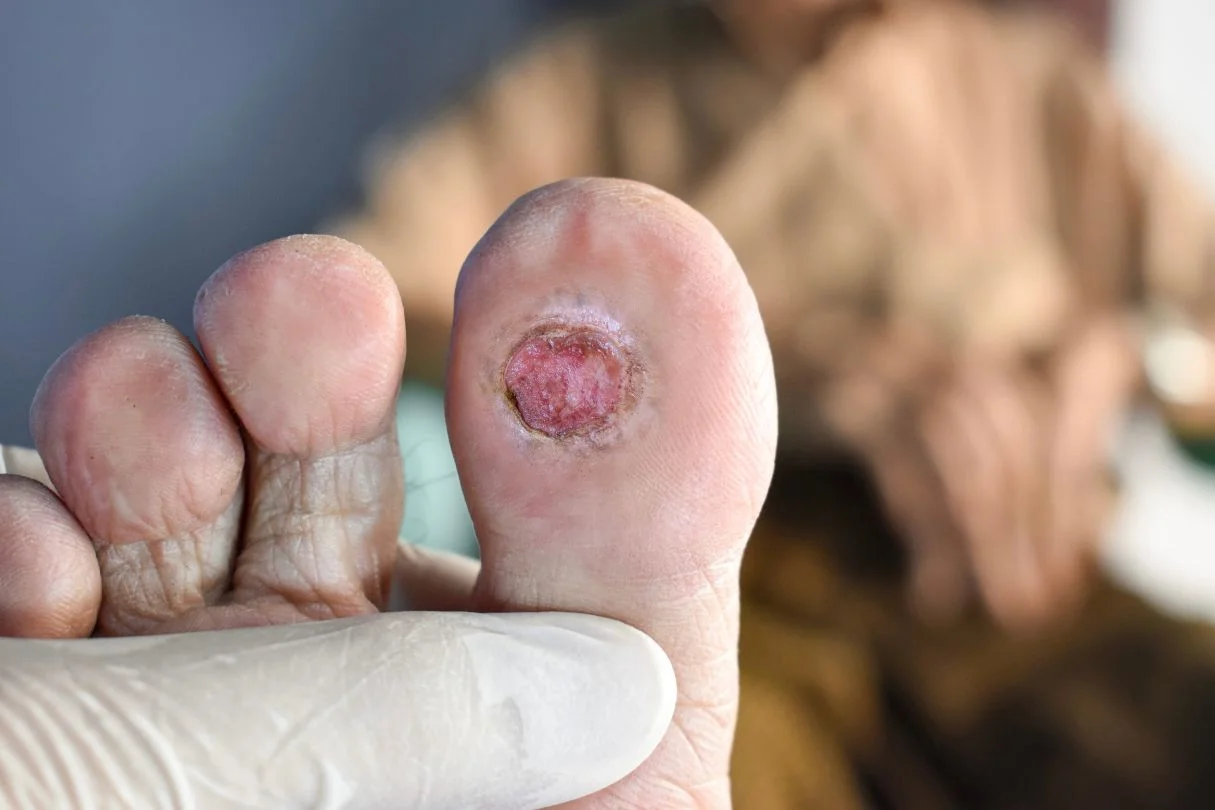
Every year, thousands of Indians with diabetes develop foot ulcers due to lack of awareness. At MV Diabetes, one of the busiest departments is our Diabetic Foot Care Unit, which treats patients who could have prevented complications with simple early care.

This blog gives you a complete guide to preventing foot ulcers and amputations.

1. Why Diabetic Foot Problems Occur

Diabetic foot problems are caused by:

  • Nerve damage (neuropathy)

  • Poor circulation

  • High sugar levels

  • Infections

  • Foot deformities

2. Daily Foot Care Routine

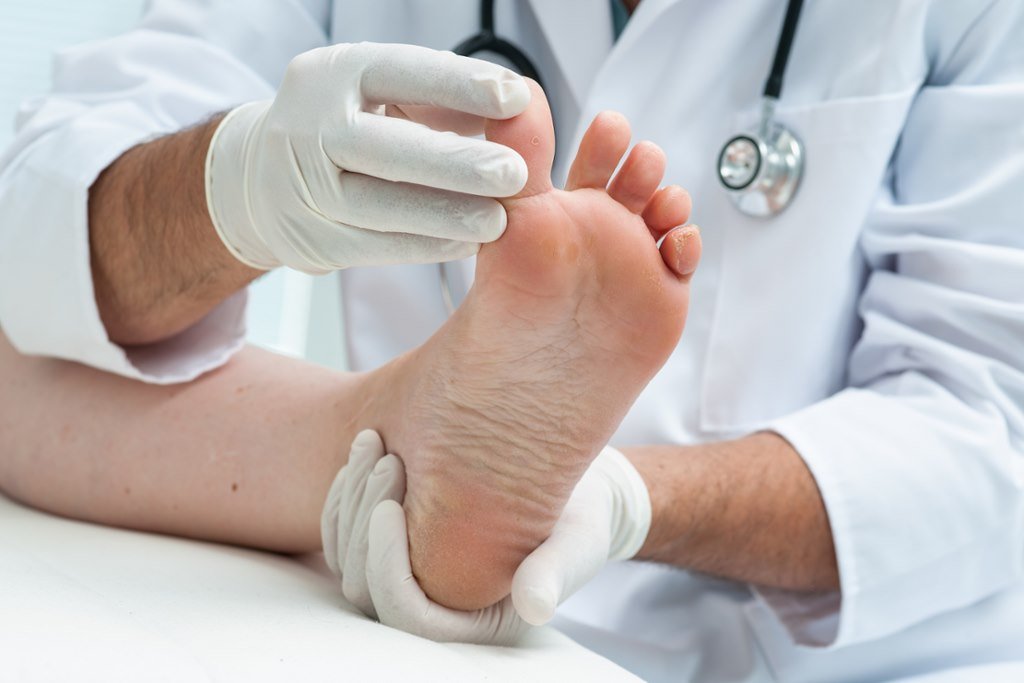
  • Inspect feet every day

  • Wash with warm water

  • Moisturize (but not between toes)

  • Trim nails carefully

  • Never walk barefoot

  • Wear diabetic footwear

3. Signs You Must NEVER Ignore

  • Tingling

  • Burning sensation

  • Cuts or cracks

  • Blackened toes

  • Swelling

  • Pus discharge

4. Prevention Strategies

  • Keep sugar under control

  • Wear proper footwear

  • Maintain hygiene

  • Do annual foot scans

  • Treat wounds immediately

MV Diabetes offers advanced foot scanning, custom orthotics, and ulcer-care treatments.

Conclusion 

Foot care isn’t optional for diabetics — it’s essential. With timely care and the right footwear, most amputations can be prevented. MV Diabetes ensures every patient receives specialized footcare support.

How Diabetes Affects the Heart: The Hidden Link Every Patient Must Know

Introduction

Most Indians think diabetes only affects sugar levels. But the truth is far more serious. Diabetes is one of the leading causes of heart disease and heart attacks in India. At MV Diabetes, nearly 40% of patients with long-term diabetes show early signs of heart-related complications.

1. Why Diabetes Damages the Heart 

High sugar levels damage blood vessels over time. This leads to:

  • Hardening of arteries

  • Cholesterol build-up

  • High blood pressure

  • Reduced blood flow to the heart

This increases the risk of heart attack.

2. Warning Signs of Heart Disease in Diabetics

Symptoms include:

  • Chest pain

  • Breathlessness

  • Fatigue

  • Swelling in legs

  • Heart palpitations

3. How Diabetes Increases Heart Attack Risk

Because diabetics often:

  • Have higher cholesterol

  • Have higher blood pressure

  • Develop thicker blood vessels

  • Experience inflammation

4. Preventing Heart Disease in Diabetes

  • Keep HbA1c below 7

  • Monitor cholesterol

  • Maintain healthy weight

  • Avoid smoking

  • Exercise regularly

  • Control blood pressure

At MV Diabetes, we offer Cardio-Diabetic Screening, designed to detect early heart damage.

Conclusion

You can’t reverse the damage diabetes causes to the heart — but you CAN prevent it from progressing. Regular check-ups at a diabetic specialty hospital are essential.

The Best Indian Diet Plan for Diabetes: What to Eat for Better Sugar Control

Introduction

A diabetic-friendly diet doesn’t have to be boring — especially in India, where food diversity is unmatched. At MV Diabetes, our nutritionists design diet plans that help patients control blood sugar while enjoying meals they love.

This blog gives you the best diabetes diet plan in India, based on Indian foods, local ingredients, and long-term blood sugar control.

1. The Foundation: Choose Low-GI Foods

Low Glycemic Index (GI) foods prevent sudden spikes in sugar. Some of the best Indian low-GI foods include:

  • Ragi

  • Brown rice

  • Whole wheat chapati

  • Jowar & Bajra rotis

  • Green leafy vegetables 

  • Legumes

Avoid high-GI foods like white rice, sweets, bakery items, and refined flour.

2. Ideal Breakfast Options for Diabetics

A stable breakfast sets your metabolism right. Better options include:

  • Vegetable upma made with rava or broken wheat

  • Idli + sambar (no oily chutneys)

  • Moong dal chilla

  • Ragi dosa

  • Oatmeal with nuts

Avoid sugary cereals or white bread.

3. The Best Lunch for Sugar Control

Your lunch plate should include:
✔ A source of complex carbs
✔ One cup of vegetables
✔ One source of lean protein
✔ A small portion of healthy fat

Indian options:

  • Brown rice + dal + sabzi

  • 2 wheat chapatis + curd + sabzi

  • Grilled paneer with millet rotis

  • Fish curry + vegetables

4. Smart Dinner Choices (Easy Digestion)

Dinner should be light and low-carb.
Options:

  • Vegetable soup + paneer

  • 2 small rotis + sabzi

  • Moong dal khichdi

  • Chicken stew + veggies

Avoid fruits at night.

5. Best Snacks for Diabetics in India

Healthy snack options include:

  • Nuts

  • Roasted chana

  • Green tea

  • Buttermilk

  • Boiled sprouts

Avoid biscuits, chips, and fried snacks.

6. Fruits Allowed for Diabetics

Best fruits:

  • Apple

  • Guava

  • Berries

  • Papaya

  • Orange

Avoid mango, chikoo, grapes.

7. Foods Diabetics MUST Avoid

  • Sugary beverages

  • White rice

  • Maida-based snacks

  • Deep-fried foods

  • Processed items

  • Sweetened juices

Conclusion

A right diet can reduce medication, stabilize sugar, and reduce complications. At MV Diabetes, every diet plan is personalized — based on your age, lifestyle, and health history.

Early Warning Signs of Diabetes Most Indians Ignore — And Why Acting Early Can Save Your Life

Introduction

Diabetes has quietly become one of India’s fastest-growing health challenges, affecting millions every year. Yet, the biggest problem isn’t diabetes itself — it’s the fact that most people miss the early warning signs. At MV Diabetes, we see hundreds of patients who could have prevented complications if they had recognized symptoms early and taken timely treatment.

In this guide, we break down the top early symptoms of diabetes, why they occur, and what you should do if you notice even one of them.

1. Increased Thirst and Frequent Urination

One of the earliest symptoms of diabetes is feeling thirsty all the time. When blood sugar levels rise above normal, your kidneys work overtime to remove excess sugar through urine — making you pee more often and lose more water.

Signs You Shouldn’t Ignore:

  • Waking up at night to pee 

  • Constant dry mouth

  • Drinking more than usual but still feeling thirsty

If this continues for more than a week, get your blood sugar tested immediately.

2. Sudden, Unexplained Fatigue

High blood sugar affects the way your cells receive energy. When glucose cannot enter your cells efficiently, your body runs low on power.

This causes:

  • Body weakness

  • Lack of energy

  • Feeling tired even after resting

Fatigue is one of the most common early symptoms of Type 2 Diabetes in India.

3. Slow Healing of Wounds

Cuts, bruises, or small wounds that take unusually long to heal indicate poor blood circulation, a major red flag for diabetes.

This happens because high sugar levels:

  • Reduce immunity

  • Slow collagen repair

  • Affect blood flow to tissues

If you notice healing delays, consult a diabetic specialist immediately.

4. Sudden Weight Loss (Without Dieting)

Losing weight without trying is often linked to uncontrolled diabetes. This happens when the body starts burning fat and muscle for energy because glucose cannot enter cells.

If you lose more than 2–3 kg without a reason, get checked.

5. Blurred Vision

Fluctuating blood sugar causes the eye lenses to swell, leading to blurry vision. Many patients dismiss this as eye strain — but it is a common early sign of diabetes.

6. Tingling or Numbness in Hands & Feet

This symptom indicates early diabetic neuropathy. Consistently high sugar levels damage nerves, especially in the lower limbs.

Ignoring this can lead to:

  • Loss of sensation

  • Foot ulcers

  • Infections

  • Amputation in advanced cases

7. Constant Hunger (Even After Eating)

Also known as polyphagia, this occurs when the body cannot convert the food you eat into usable energy, leaving you hungry all the time.

What To Do If You Notice These Symptoms?

✔ Get an HbA1c test
✔ Visit a diabetes specialist
✔ Start lifestyle and diet modifications
✔ Begin early treatment if required

At MV Diabetes, we offer complete diabetes screening, early diagnostic tools, and personalized treatment plans that help patients prevent long-term complications.

Conclusion

Diabetes is manageable — but only when diagnosed early. Watch for these symptoms and seek help immediately. Early detection can save your eyes, kidneys, nerves, and heart.

Continuous Glucose Monitoring (CGM) vs Traditional Methods: Which Is Right for You?

Introduction

Monitoring blood glucose levels is essential in diabetes management. Today, patients can choose between Traditional Glucometers and Continuous Glucose Monitoring (CGM) systems. But which one is right for you?

At MV Hospital for Diabetes, Chennai and Bangalore, we help patients choose the best monitoring method based on lifestyle, health condition, and budget.

1. Traditional Blood Glucose Monitoring

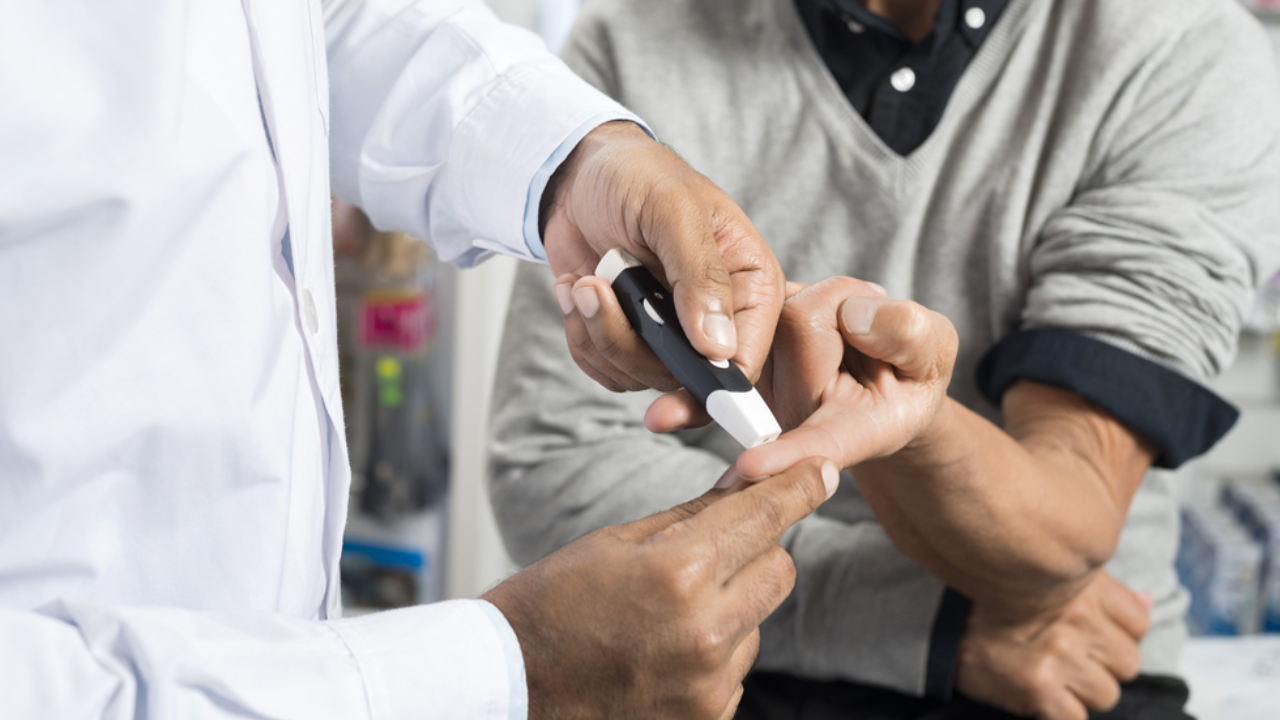
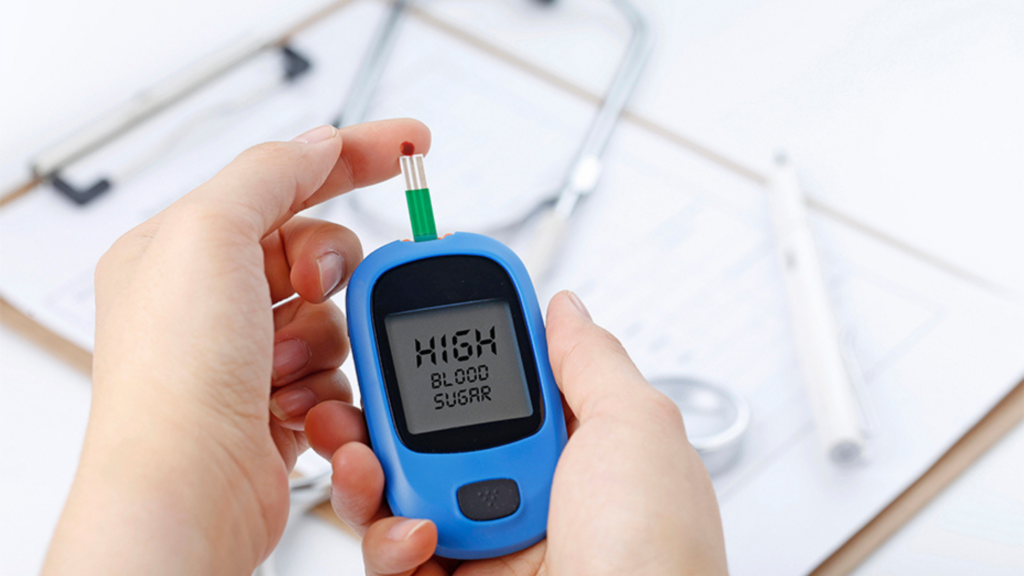
This method involves using a glucometer and test strips to check blood sugar by pricking the finger.

Pros:

  • Affordable and easy to use

  • Widely available

Cons:

  • Only provides readings at specific times

  • Misses sudden spikes or drops

2. Continuous Glucose Monitoring (CGM)

CGM uses a tiny sensor placed under the skin to measure glucose every few minutes. The data is displayed in real time on a smartphone or reader.

Pros:

  • Real-time data and trend analysis

  • Reduces finger pricks

  • Helps detect nocturnal hypoglycemia

Cons:

  • Slightly higher cost

3. Which One Should You Choose?

If you’re newly diagnosed or need only periodic checks, a glucometer may suffice.
If your sugar levels fluctuate frequently or you’re on insulin therapy, CGM is highly recommended.

Conclusion

Whether you choose CGM or traditional testing, consistency is key.

📍 Visit MV Hospital for Diabetes – Chennai or Bangalore to explore advanced glucose monitoring options and receive expert guidance for better diabetes control.

Understanding and Preventing Diabetic Foot Complications

Introduction

Diabetic foot complications are among the most common and serious problems faced by people with long-standing diabetes. However, most of these complications are preventable with proper care and early intervention.

At MV Hospital for Diabetes, we specialise in diabetic foot management and have saved thousands of patients from amputation through timely diagnosis and treatment.

1. What Causes Diabetic Foot Problems?

High blood sugar over time damages nerves and blood vessels, leading to:

  • Reduced sensation (neuropathy)

  • Poor blood circulation

  • Increased infection risk

These factors make even a small cut turn into a serious ulcer.

2. Signs You Shouldn’t Ignore

  • Tingling or numbness in feet

  • Swelling or redness

  • Cracks or calluses

  • Non-healing wounds

3. Prevention Tips

  • Inspect feet daily for cuts or blisters

  • Wash feet in warm water and dry thoroughly

  • Wear cushioned footwear

  • Avoid walking barefoot

  • Control blood sugar consistently

Our Diabetic Foot Care Centre in Chennai offers advanced wound dressing, laser therapy, and foot screening using modern tools.

4. Treatment at MV Hospital for Diabetes

We offer:

  • Comprehensive foot evaluation

  • Ulcer management and infection control

  • Custom diabetic footwear

  • Reconstructive surgeries when needed

Conclusion

Your feet carry your journey — protect them.

📍 Visit MV Hospital for Diabetes, Chennai or Bangalore, for world-class diabetic foot care and prevention.

Gestational Diabetes: What Every Pregnant Woman Needs to Know in Tamil Nadu

Introduction

Pregnancy is a special journey — but for some women, it comes with added challenges such as Gestational Diabetes Mellitus (GDM). This condition develops during pregnancy and can affect both mother and baby if left untreated.

At MV Hospital for Diabetes, Chennai and Bangalore, our dedicated women’s diabetes care team ensures that mothers receive personalised treatment for safe and healthy pregnancies.

1. What Is Gestational Diabetes?

Gestational diabetes occurs when hormonal changes during pregnancy interfere with insulin function, leading to high blood sugar levels. It typically appears between the 24th and 28th weeks of pregnancy.

2. Who Is at Risk?

Women who have:

  • A family history of diabetes

  • Overweight or obesity before pregnancy

  • Previous history of GDM

  • Sedentary lifestyle

  • Polycystic Ovary Syndrome (PCOS)

3. How Is It Diagnosed?

A simple Oral Glucose Tolerance Test (OGTT) can diagnose GDM. Early detection through regular check-ups is crucial for ensuring the health of both mother and baby.

4. How Can You Manage GDM?

  1. Nutrition Management:
    Our experts design balanced meal plans that include fibre-rich foods, lean proteins, and whole grains. Avoid sugary foods and processed snacks.
  2. Exercise:
    Light exercise such as walking or prenatal yoga improves insulin sensitivity and blood circulation.
  3. Blood Sugar Monitoring:
    Regular monitoring ensures stability. Our team provides easy-to-use devices and training.
  4. Medication:
    If diet and exercise aren’t enough, your doctor may prescribe insulin therapy under supervision.

5. Post-Delivery Care

After delivery, blood sugar often returns to normal, but women who had GDM are at a higher risk of developing Type 2 diabetes later in life. Regular follow-ups are essential.

Conclusion

Gestational diabetes is manageable with timely care, proper nutrition, and expert monitoring.

📍 For comprehensive prenatal diabetes care, visit MV Hospital for Diabetes – Chennai or Bangalore, where your health and your baby’s well-being come first.

How to Manage Type 2 Diabetes in India: Diet, Exercise & Monitoring Tips

Introduction

Type 2 Diabetes is one of the most common lifestyle-related diseases in India. With changing dietary habits, rising stress levels, and sedentary lifestyles, the number of people living with diabetes is increasing every year. However, managing diabetes doesn’t have to be overwhelming. With the right combination of diet, exercise, and blood sugar monitoring, you can lead a healthy, active life.

At MV Hospital for Diabetes, with branches in Chennai and Bangalore, we’ve helped thousands of patients effectively manage Type 2 diabetes through personalised care plans and education.

1. Balanced Diet – The Foundation of Diabetes Control

Food plays a critical role in controlling your blood sugar. The goal isn’t just to eat less but to eat smart.

  • Choose complex carbohydrates such as brown rice, oats, and whole wheat instead of refined sugar and white rice.
  • Include fibre-rich foods like vegetables, lentils, and legumes to slow glucose absorption.
  • Limit fried and sugary foods, including sweets, pastries, and packaged snacks.
  • Portion control is key — even healthy food in excess can spike blood sugar.

Our dieticians at MV Hospital for Diabetes Chennai prepare customised Indian meal plans that balance taste, nutrition, and glucose stability.

2. Exercise – A Natural Insulin Booster

Regular physical activity helps the body use insulin more effectively.

  • Brisk walking for 30 minutes daily improves blood circulation and lowers glucose levels.
  • Yoga and stretching help reduce stress, which also plays a role in blood sugar fluctuation.
  • Strength training twice a week helps maintain muscle mass and burn calories more efficiently.

For individuals with Type 2 diabetes, our specialists at MV Hospital for Diabetes Bangalore recommend exercises tailored to age and health condition, ensuring maximum benefit without risk.

3. Regular Blood Sugar Monitoring

Monitoring helps you understand how your lifestyle and food choices impact your glucose levels.

  • Keep a log of fasting and post-meal readings.
  • Track HbA1c levels every 3 months.
  • Use Continuous Glucose Monitoring (CGM) devices for real-time updates.

We provide advanced CGM and digital tools at our hospital to help patients manage diabetes proactively.

4. Medication & Medical Supervision

Never skip your prescribed medication. Type 2 diabetes is manageable, but consistency is vital. Regular consultations ensure medication adjustments are done safely based on your body’s response.

5. Stress Management & Sleep

Mental well-being has a direct impact on glucose levels.

  • Practice mindfulness or meditation.
  • Aim for 7–8 hours of quality sleep.

Conclusion

  • Managing Type 2 diabetes is not about restrictions — it’s about balance. With the right care, you can live fully and confidently.

📍 For expert guidance, visit MV Hospital for Diabetes – Chennai or Bangalore, India’s trusted centre for comprehensive diabetes care.

The Impact of Diabetes on Your Body

Diabetes is more than just high blood sugar. It is a chronic condition that affects nearly every organ in the body, from your heart and kidneys to your eyes, nerves, and skin. At MV Diabetes Hospital, recognized as the best diabetes hospital in India, we have witnessed firsthand how crucial early diagnosis and proper management are in preventing long-term complications. Understanding the effects of diabetes on the body can help patients take proactive steps toward better health and improved quality of life.

How Diabetes Develops

When you eat or drink, your body breaks down sugars into glucose, which provides energy for your cells. To make this process possible, the pancreas produces insulin, a hormone that allows glucose to move from the blood into the cells.

In diabetes, either your body doesn’t produce enough insulin, or it doesn’t use insulin effectively. This results in high blood sugar levels, while your cells remain starved of energy. Over time, this imbalance can cause significant damage across multiple body systems.

Types of Diabetes

1. Type 1 Diabetes
An autoimmune condition where the immune system destroys insulin-producing cells in the pancreas. It usually develops in children or young adults and requires lifelong insulin therapy.

2. Type 2 Diabetes
The most common form, caused by insulin resistance. Once associated mainly with older adults, it is now increasingly seen in younger populations due to lifestyle and dietary factors. With proper management, including diet, exercise, and medication, type 2 diabetes can often be controlled and even pushed into remission.

3. Gestational Diabetes
A temporary form of diabetes that occurs during pregnancy. While it usually resolves after delivery, it increases the risk of complications during pregnancy and raises the likelihood of developing type 2 diabetes later for both mother and child.

Effects of Diabetes on Major Body Systems

1. Gestational Diabetes
When the body lacks insulin, it may break down fat for energy, leading to high levels of ketones. This can result in diabetic ketoacidosis (DKA), a dangerous condition requiring urgent treatment. Another complication, diabetic hyperglycemic hyperosmolar syndrome (HHS), often seen in type 2 diabetes, causes dangerously high blood sugar without ketone buildup, leading to severe dehydration and potential coma. High blood sugar can also cause gastroparesis, a condition that delays stomach emptying, leading to nausea, bloating, and heartburn.

2. Kidneys
Diabetes is one of the leading causes of kidney disease worldwide. Over time, high blood sugar damages the kidneys’ filtering units, leading to diabetic nephropathy. In early stages, the only sign may be protein in the urine. If untreated, it can progress to kidney failure, requiring dialysis or transplant. At MV Diabetes Hospital in Chennai, patients are regularly screened for kidney function to detect issues early.

3. Circulatory System
Diabetes doubles the risk of heart disease and stroke . High blood sugar causes fatty deposits to build up in the blood vessels, leading to atherosclerosis. Patients may also experience peripheral arterial disease (PAD) , reducing blood flow to the legs and feet, and increasing the risk of non-healing ulcers and amputations. Smoking, high cholesterol, and high blood pressure make these complications worse, which is why lifestyle modifications are a critical part of diabetes management at MV Diabetes.

4. Integumentary System (Skin)
Uncontrolled diabetes often affects the skin, leading to dryness, fungal infections, slow-healing wounds, and conditions such as diabetic dermopathy (brown patches on the skin) or digital sclerosis (thickening of skin on fingers and toes). Regular foot checks and skin care are essential to prevent infections that could escalate.

5. Nervous System
Nerve damage caused by high blood sugar, known as diabetic neuropathy, can lead to numbness, tingling, or burning pain in the hands and feet. This loss of sensation makes patients prone to unnoticed injuries and infections. Diabetes can also damage the eyes, causing diabetic retinopathy , a leading cause of blindness in adults. Routine eye examinations at MV Diabetes ensure early detection and timely treatment.

5. Reproductive System
For women, hormonal changes during pregnancy may trigger gestational diabetes , which increases risks of complications such as high blood pressure (preeclampsia). For men, poorly managed diabetes may contribute to erectile dysfunction and reduced fertility.

Managing Diabetes Effectively

While the effects of diabetes can sound overwhelming, it is important to remember that diabetes is a manageable condition . With the right care, monitoring, and lifestyle changes, patients can live healthy and fulfilling lives. At MV Diabetes Hospital , we provide:

  • Comprehensive diabetes screening and diagnostics
  • World-class treatment for type 1, type 2, and gestational diabetes
  • Specialized care for complications like neuropathy, nephropathy, and retinopathy
  • Nutrition counseling and lifestyle modification programs
  • Advanced treatment options from India’s most trusted diabetes specialists

Final Word

Diabetes is not just about high blood sugar—it’s about how that imbalance impacts the entire body.

By taking early steps, monitoring regularly, and working with expert doctors, complications can be prevented or delayed.

At MV Diabetes Hospital, Chennai , we continue the legacy of pioneering diabetes care in India. With a patient-first approach and decades of expertise, we stand as a trusted name in comprehensive diabetes management. ✨ Take control of your health today. Book your consultation at MV Diabetes Hospital and safeguard your future against diabetes complications.

Managing Diabetes Effectively: How Lifestyle Choices Can Make a Difference

Living with diabetes requires consistent attention to lifestyle choices that can help manage blood sugar levels and improve overall health. At MV Diabetes, we emphasize that lifestyle interventions, combined with medical guidance, are crucial for effective diabetes management. This blog explores practical ways to manage diabetes through diet, exercise, stress management, sleep, and healthy habits.

Understanding Diabetes

Diabetes is a chronic metabolic disorder characterized by elevated blood glucose levels. There are two primary types:

Type 1 Diabetes – An autoimmune condition where the body fails to produce insulin.
Type 2 Diabetes – A condition where the body cannot effectively use insulin.

While medications and insulin therapy are essential, lifestyle modifications play a pivotal role in controlling blood sugar, preventing complications, and promoting long-term health.

Healthy Eating for Diabetes

A balanced diet is the foundation of diabetes management. Key dietary practices include:

1. Carbohydrate Management: Opt for complex carbohydrates such as whole grains, vegetables, and fruits to maintain steady blood sugar levels.

2. Portion Control: Avoid overeating to prevent blood sugar spikes and maintain a healthy weight.

3. Fibre-Rich Foods: Include high-fibre foods like legumes, whole grains, and vegetables to aid digestion and improve glycemic control.

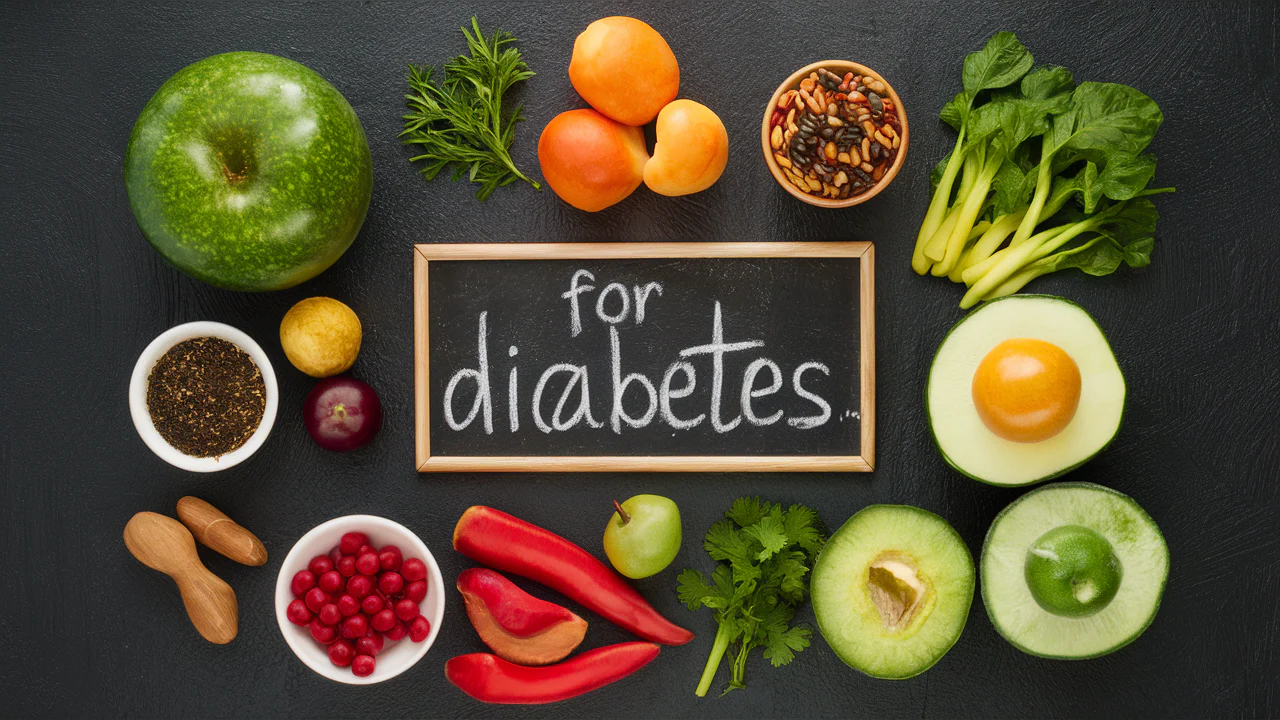
Low Glycemic Index (GI) Foods to Include

Foods with a low GI release glucose gradually, helping maintain stable blood sugar levels. Examples include:

1. Chickpeas (Chana): High in protein and fibre.

2. Lentils (Dal): Masoor dal, moong dal, and urad dal are excellent low-GI protein sources.

3. Barley (Jau): A whole grain ideal for soups and stews.

4. Bitter Gourd (Karela): Known for potential blood sugar-lowering effects.

5. Cauliflower & Spinach: Low-carb, nutrient-rich vegetables.

6. Eggplant (Brinjal) & Cabbage:Low-calorie, low-GI vegetables.

7. Yoghurt (Dahi): Unsweetened yoghurt provides probiotics with minimal sugar impact.

8. Whole Wheat Roti & Brown Rice:Healthier alternatives to refined flour bread and white rice.

9. Nuts & Seeds:Almonds, flaxseeds, and other seeds provide healthy fats and fibre.

10. Guavas & Tomatoes: Low-GI fruits and vegetables packed with vitamins.

11. Fenugreek (Methi): Leaves and seeds may help reduce blood sugar levels.

Incorporating these foods regularly helps manage blood sugar levels effectively. Consult a doctor or dietitian for personalized dietary guidance.

Physical Activity and Diabetes

Regular exercise is one of the most effective ways to control blood sugar naturally. Benefits include:

1. Improved Insulin Sensitivity: Exercise helps the body use insulin more efficiently.

2. Weight Management: Supports weight loss and maintenance, which is critical in type 2 diabetes management.

3. Blood Sugar Control:Physical activity helps lower glucose levels immediately after exercise.

Aim for at least 30 minutes of moderate exercise daily, such as brisk walking, cycling, or yoga.

Stress Management

Chronic stress can cause fluctuations in blood sugar levels. Stress management techniques include:

1. Mindfulness & Meditation: Reduces stress hormones and promotes relaxation.

2. Breaks & Relaxation:Short breaks during the day can help manage mental strain.

3. Hobbies & Recreation: Engage in activities like reading, painting, or spending time outdoors.

Quality Sleep and Diabetes

Sleep plays a crucial role in blood sugar regulation. Tips for better sleep include:

2. Growing Incidence in Rural Areas

1. Maintain a Consistent Schedule:Go to bed and wake up at the same time daily..

2. Sleep Hygiene:Reduce light and noise, avoid electronic screens before bedtime.

3. Address Sleep Apnea: Seek medical attention if you have breathing issues at night.

Alcohol and Smoking Considerations

1. Alcohol: Consume in moderation, and avoid sugary mixers. Excessive alcohol can cause unpredictable blood sugar changes.

2. Smoking: Smoking increases the risk of cardiovascular disease and complications in diabetes. Quitting smoking is strongly recommended.

Here’s how MV Diabetes is changing the diabetes care landscape:

Conclusion

Managing diabetes is not just about medication—it’s about a holistic approach to daily living. By adopting a balanced diet, regular physical activity, stress management, quality sleep, and healthy habits, individuals can significantly improve blood sugar control and overall health. At MV Diabetes, we guide patients through practical lifestyle strategies alongside medical care to achieve better diabetes management and long-term wellness.

Add to cart