Diabetic Neuropathy: Why Tingling, Burning or Numb Feet Should Never Be Ignored
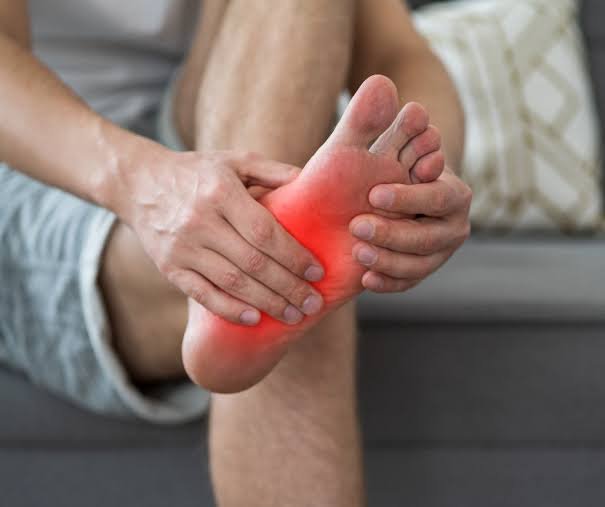
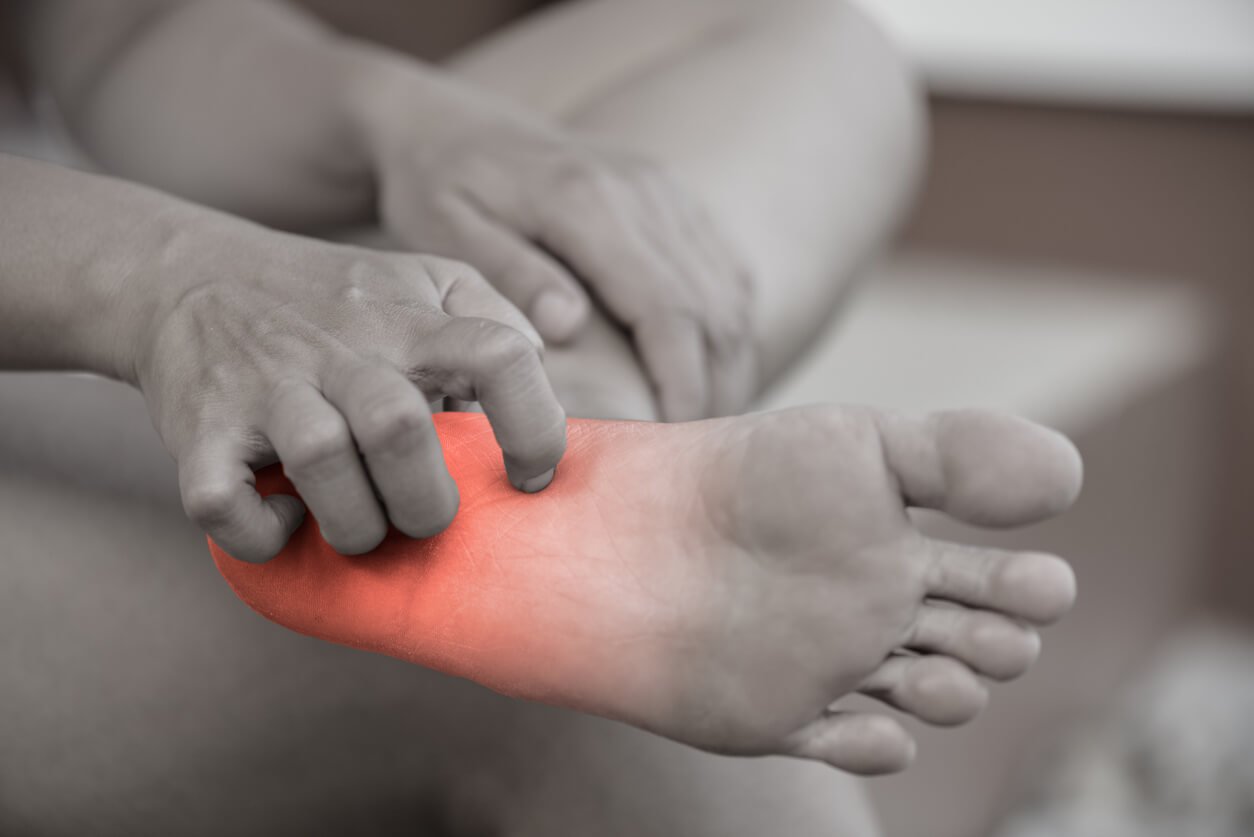
“Doctor, my feet keep burning at night.”
“My toes feel numb.”
“I sometimes feel pins and needles even when I’m sitting.”
These complaints may appear minor at first, but for someone living with diabetes, they deserve attention.
Long-standing or poorly controlled blood glucose can damage nerves, leading to a group of conditions known as diabetic neuropathy.
For many patients, the feet are among the first areas where symptoms become noticeable.
The danger is not only the discomfort caused by nerve damage. When sensation is reduced, a small injury, blister or shoe bite can go unnoticed and potentially develop into a serious diabetic foot problem.
What Does Diabetic Neuropathy Feel Like?
Diabetic neuropathy does not feel the same for everyone.
Common symptoms affecting the feet or legs include:
- Burning sensations
- Tingling
- Pins and needles
- Numbness
- Sharp or shooting pain
- Increased sensitivity to touch
- Reduced ability to feel heat or cold
- Pain that becomes worse at night
Some patients experience significant pain.
Others have almost no pain at all.
Surprisingly, the second group can sometimes be at greater risk because numbness may prevent them from noticing an injury.
Why Is Numbness in the Feet Dangerous?
Imagine developing a small blister because your footwear is slightly tight.
A person with normal sensation feels the discomfort, checks the foot and changes their footwear.
Someone with severe neuropathy may continue walking without realizing that the skin is being damaged.
The same problem can occur with cuts, burns or stepping on a sharp object.
If an injury is combined with poor circulation, infection or delayed wound healing, it can progress into a diabetic foot ulcer.
This is why diabetic foot care is not simply about treating wounds after they appear. Detecting neuropathy and protecting the foot before an ulcer develops is equally important.
Neuropathy Is More Than a Foot Problem
Diabetes can affect different types of nerves.
Peripheral neuropathy commonly involves the feet and legs, but diabetes-related nerve damage can also affect functions controlled automatically by the body.
Autonomic neuropathy, for example, may affect digestion, heart rate, blood pressure, bladder function and awareness of hypoglycemia.
Therefore, unusual symptoms in someone with long-standing diabetes should be discussed during regular diabetes consultations rather than assumed to be unrelated.
Who Is at Greater Risk?
The possibility of neuropathy may increase with longer duration of diabetes and prolonged exposure to elevated blood glucose.
Other health factors can also contribute to nerve and vascular complications.
This makes comprehensive diabetes management important.
An HbA1c test is useful because it reflects average glucose levels over roughly the previous two to three months, and persistently high HbA1c is associated with an increased risk of complications including nerve, kidney and eye damage.
How Is Diabetic Neuropathy Diagnosed?
Diagnosis is not based only on asking whether the foot hurts.
A diabetic foot or neuropathy evaluation may assess sensation, reflexes, skin condition, circulation, deformities, pressure areas and previous wounds.
Specific tests may also be recommended depending on symptoms.
The purpose is to answer several questions:
Is there nerve damage?
How severe is the loss of sensation?
Is circulation adequate?
Are there pressure points that could increase ulcer risk?
Is the patient’s current footwear appropriate?
This makes diabetic foot assessment an important component of comprehensive diabetes care.
Can Diabetic Neuropathy Be Cured?
Existing nerve damage may not always be completely reversible, especially when it is advanced.
However, that does not mean treatment is pointless.
The goals of management include slowing further nerve damage, improving glucose control, managing neuropathic pain where required and preventing injuries and diabetic foot ulcers.
Earlier detection generally gives patients more opportunity to protect the feet before sensation becomes severely reduced.
Why Blood Sugar Control Matters
Pain medicines can help certain patients with neuropathic pain, but managing pain alone does not address diabetes itself.
Glucose management remains central to reducing the risk of further diabetes-related complications.
Your treatment plan may require reassessment of medication, nutrition, physical activity, weight, glucose patterns and other health conditions.
Diabetes care should therefore address both the symptom and its underlying metabolic context.
Foot Care Habits Every Person With Neuropathy Should Follow
If sensation in the feet is reduced, everyday foot care becomes extremely important.
Inspect both feet daily, including between the toes and the soles.
Look for:
Cuts, blisters, swelling, redness, cracks, colour changes, nail problems or areas where footwear repeatedly rubs against the skin.
Avoid walking barefoot, even inside the house, if significant sensory loss is present.
Choose properly fitting footwear and socks.
Never attempt to cut corns or calluses aggressively at home.
And most importantly, do not wait for a wound to become painful before seeking treatment. A neuropathic foot wound may remain relatively painless despite being serious.
When Should You See a Doctor?
Book an evaluation if you experience persistent numbness, burning, pins and needles, unusual foot pain, reduced sensation or recurrent wounds.
Seek medical care promptly for a foot ulcer, infection, unexplained swelling, discharge, skin colour change or a wound that is not healing normally.
Diabetic Neuropathy Care at M.V. Hospital for Diabetes
At M.V. Hospital for Diabetes in Chennai, diabetes management extends beyond measuring blood sugar alone.
For people at risk of neuropathy and diabetic foot complications, regular evaluation can help identify nerve damage, recognise pressure-related risks and guide appropriate foot protection.
Do not wait until numbness turns into a wound.
If diabetes is beginning to affect your feet, early attention may help protect your mobility, independence and long-term quality of life