
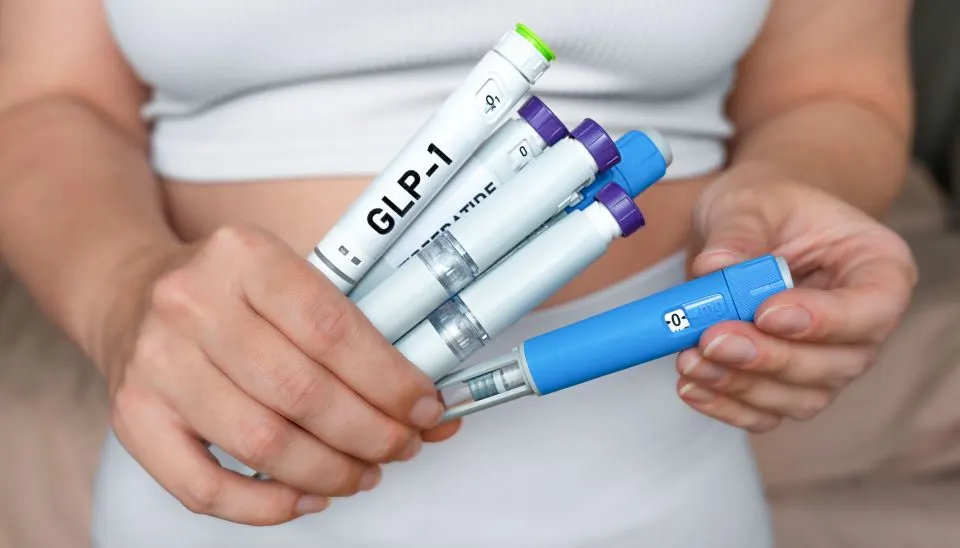
Few diabetes medicines have attracted as much public attention in recent years as GLP-1 receptor agonists.
Much of the conversation online has focused on dramatic weight loss.
As a result, many patients now walk into diabetes clinics asking:
“Can I take a GLP-1 injection to lose weight?”
But GLP-1 medicines were not simply created as cosmetic weight-loss drugs.
They are an important class of metabolic medicines, with several agents used in the management of type 2 diabetes, while specific medicines and formulations also have approved roles in obesity management and other conditions.
The 2026 American Diabetes Association Standards continue to include GLP-1 receptor agonists and dual GIP/GLP-1 therapies within modern obesity and diabetes management strategies.
What Is GLP-1?
GLP-1 stands for glucagon-like peptide-1.
It is a hormone naturally released by the digestive system after eating.
GLP-1 receptor agonist medicines mimic some of the actions of this hormone.
Depending on the medicine and the individual, they can help improve blood glucose regulation, influence appetite and slow gastric emptying.
This combination explains why certain GLP-1–based medicines can influence both glucose control and body weight.
Why Are GLP-1 Medicines So Popular?
For many years, diabetes treatment was viewed primarily through one question:
“How much does this medicine reduce sugar?”
Modern diabetes management asks a broader question:
“Which treatment can improve glucose while also addressing the patient’s overall cardiovascular, kidney and metabolic risk?”
This is one reason GLP-1 medicines have become increasingly important.
Current diabetes guidance also considers factors such as heart disease, kidney disease, body weight and hypoglycemia risk when choosing therapy rather than relying on a single treatment pathway for everyone. The ADA has increasingly highlighted GLP-1–based therapy beyond glucose reduction alone.
Are GLP-1 Medicines the Same as Insulin?
No.
GLP-1 receptor agonists and insulin work differently.
Patients sometimes assume that anything injected is “insulin,” but this is incorrect.
Several GLP-1 medicines are injectable, although formulations vary.
The decision to use insulin, a GLP-1–based medicine, tablets or a combination depends on individual clinical requirements.
One should never be substituted for another without medical guidance.
Do GLP-1 Medicines Help With Weight Loss?
Certain GLP-1–based therapies can produce meaningful weight reduction in appropriate patients.
This has contributed significantly to their popularity.
But weight loss is not simply about appearance.
For someone with type 2 diabetes and excess body weight, reducing weight can improve metabolic parameters and may make diabetes easier to manage.
In comparative evidence reviewed by the ADA, agents such as semaglutide and the dual GIP/GLP-1 medicine tirzepatide have demonstrated high efficacy for both glucose lowering and weight reduction.
However, response differs from person to person.
Does Everyone With Type 2 Diabetes Need a GLP-1?
No.
The popularity of a medicine on social media does not mean it is appropriate for every patient.
Your doctor may consider factors such as:
- Current HbA1c
- Duration of diabetes
- Body weight and BMI
- Existing diabetes medicines
- Cardiovascular disease
- Kidney health
- Gastrointestinal symptoms
- Other medical conditions
- Previous treatment response
- Individual treatment goals
Someone who sees dramatic weight-loss results online should therefore not assume they will receive the same medicine or achieve the same outcome.
What Are the Possible Side Effects?
Gastrointestinal symptoms are among the commonly recognised effects of GLP-1–based therapies.
Depending on the medication and patient, these may include nausea, vomiting, diarrhoea, constipation or abdominal discomfort.
Treatment is often introduced according to specific dosing protocols rather than starting at the highest dose.
Patients should discuss persistent or severe symptoms with their treating physician.
Doctors may also need to consider medical history and other contraindications before recommending therapy.
Can You Buy GLP-1 Medicines Without Consulting a Doctor?
This is particularly important in the current environment.
The enormous popularity of GLP-1 medicines has led to online sales, inappropriate self-medication and unverified products in some markets.
The U.S. FDA, for example, issued a warning in June 2026 regarding fraudulent compounded semaglutide and tirzepatide products carrying false label information.
The specific regulatory environment in India differs, but the broader lesson remains relevant:
Do not obtain prescription metabolic medicines from unreliable sources or use them without proper medical supervision.
What Happens After You Lose Weight?
Another common misconception is that GLP-1 treatment can be used briefly until a target weight is reached and then stopped without further planning.
Diabetes and obesity are chronic metabolic conditions.
A long-term strategy is therefore important.
The plan may involve nutrition, exercise, behavioural changes, ongoing glucose management and, depending on the individual, continued medication.
Stopping treatment or changing doses without consulting your diabetes team can lead to loss of metabolic control.
GLP-1 Is a Tool, Not a Shortcut
No injection can completely replace healthy eating patterns, adequate protein, physical activity, resistance training, sleep and long-term follow-up.
At the same time, telling every person with type 2 diabetes simply to “eat less and exercise more” can also oversimplify a complex metabolic condition.
Effective modern diabetes care uses the appropriate combination of lifestyle intervention, monitoring and medication for the individual patient.
GLP-1 Treatment at M.V. Hospital for Diabetes
At M.V. Hospital for Diabetes, Chennai, treatment decisions are based on a person’s diabetes profile rather than social-media trends.
If you are wondering whether GLP-1–based therapy is appropriate for your type 2 diabetes, weight or metabolic health, a detailed consultation can help determine the benefits, limitations and alternative options relevant to you.
GLP-1 medicines are changing diabetes care, but the right medicine still starts with the right patient assessment.